What we see at these scenes
Xylazine is a sedative approved for veterinary use that DEA reports is being mixed with fentanyl in the illicit drug supply. Because it is rarely used alone, we treat any residue at these scenes with the precautions we would use for fentanyl.
Rooms where tranq was used often hold more than residue. We regularly find syringes, used bandages and wound dressings, blood on bedding and furniture, and soiled clothing. The person who lived there may have been unwell for some time, and we treat their space and belongings with respect.
Layered hazards, handled in order
- Sharps first We search accessible areas for needles and place every one directly into a closable, puncture-resistant sharps container.
- Paraphernalia and dressings Cookers, ties, baggies, foil, bandages and gauze are collected and bagged for appropriate disposal.
- Soft goods Mattresses, bedding, upholstered furniture and carpet with blood or residue are reviewed with you and removed when they cannot be cleaned.
- Residue removal Hard surfaces are wet-wiped, HEPA vacuumed and washed with detergent, avoiding dry sweeping that could raise dust.
- Disinfection Areas with blood or body fluids are treated with an EPA-registered disinfectant kept wet for its full label contact time.
- Second search We check high-risk spots for sharps once more before we finish.
Protecting our team and yours
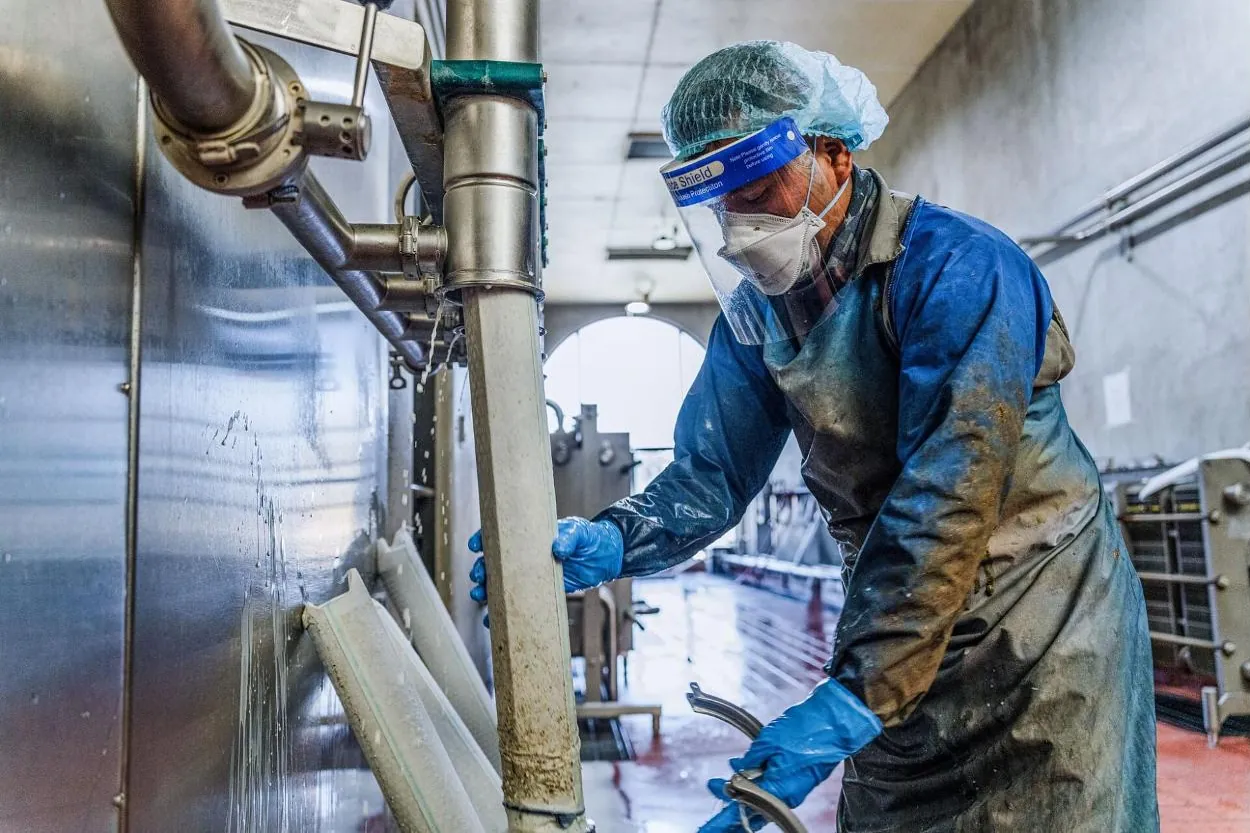
Technicians wear gloves, fluid-resistant coveralls, eye protection and respiratory protection suited to the conditions. Blood and body fluids are treated as potentially infectious under OSHA's Bloodborne Pathogens Standard.
If you have been in the space, wash your hands and any exposed skin with soap and water. NIOSH advises against using hand sanitizer, alcohol-based cleaners or bleach on skin after contact with illicit drugs. A needlestick or a splash to the eyes or mouth should be evaluated promptly by a healthcare provider.
Where it usually is
- Bedrooms, especially mattresses, nightstands and the floor beside the bed
- Bathrooms, including sink edges, toilet tanks and trash bins
- Recliners and sofas used for long periods
- Vehicles used as living space
- Garages, sheds and outbuildings
- Hotel and motel rooms, stairwells and hallways
- Encampments and other outdoor areas, with authorization from the property owner
Personal belongings
Papers, photographs, identification, phones and keepsakes are set aside and wiped where possible, even when much of the room has to be cleared. We ask before discarding anything that might matter to you.
Clothing with light soiling can be bagged for the family to launder on a hot cycle with detergent. Heavily soiled fabrics, along with any item we cannot search safely for needles, are usually removed.
When the person is still living there
Sometimes families call while their loved one still lives in the home or is in treatment. We can clean the space in a way that does not shame anyone, and we will not lecture or comment. If medical help is needed, call 911 or the person's healthcare provider.
For support resources, a doctor, a local treatment provider or SAMHSA's national helpline can be a starting point. We are a cleanup company, not a treatment service.
Before we arrive and what we refer
Please leave needles where they are, keep children and pets out of the room, and do not put soiled dressings or sharps in household trash or recycling. If you have already gathered items, set the bag aside without compressing it.
Repairs, flooring replacement and HVAC work go to the right contractors. For related situations, see heroin residue cleanup and fentanyl cleanup. Our crews travel from the Nashville area to every Middle Tennessee county.