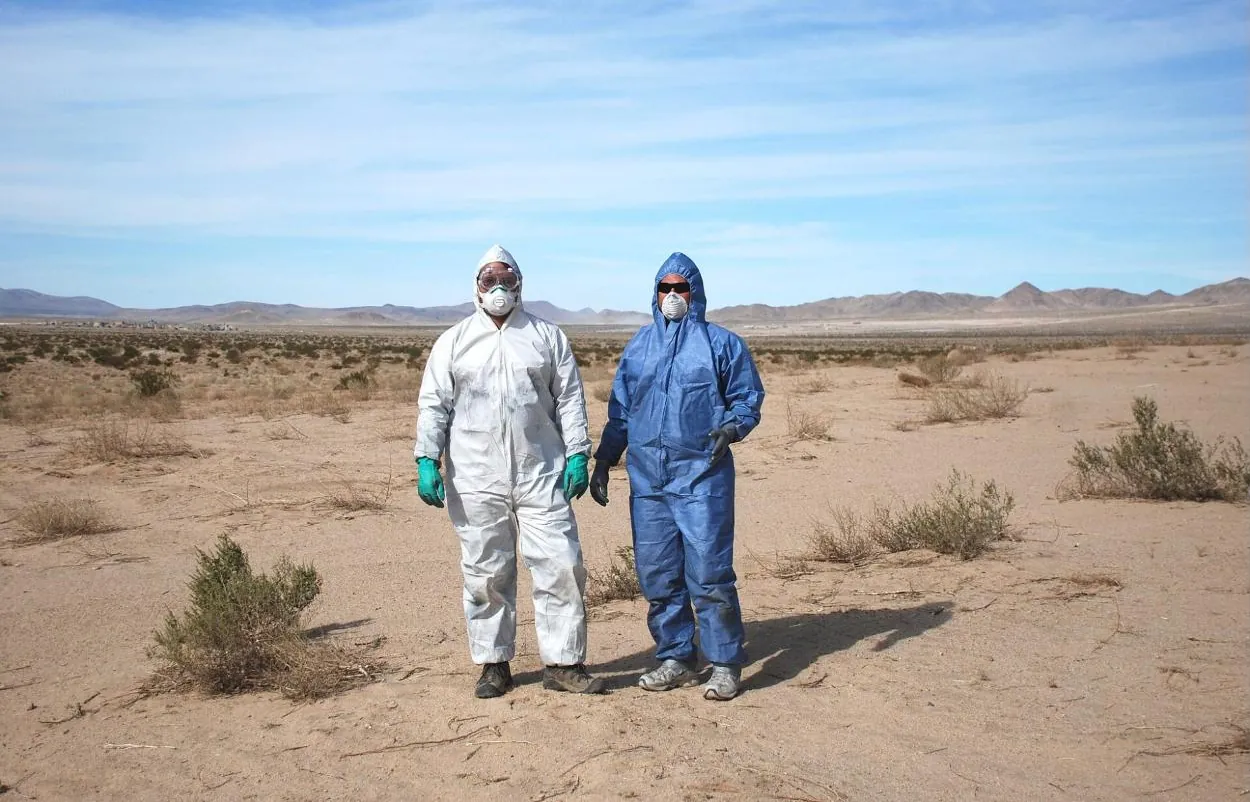
What happens after police leave
Law enforcement's job at a scene is to investigate and collect evidence. Once they're done, the property is released back to the owner or occupant, and what remains becomes theirs to deal with. Many victims and families are surprised to learn that no public agency cleans up afterward.
What's left can include blood and other body fluids, fingerprint powder on doors and surfaces, chemical residue from tear gas or pepper spray, broken glass, damaged doors and the disorder of a search. Crime scene cleanup addresses these, with care for the people who will live or work in the space afterward.
Release comes first
We begin only after law enforcement, and the medical examiner if someone died, has released the property. Tennessee has no single statute that defines scene release, so the investigating agency is the right source. Ask the detective or officer on the case whether the scene is released and whether anything should be left in place.
We don't take part in investigations and don't handle evidence. If we come across something that looks like it might matter to the case, we stop and tell you so you can contact the investigating agency.
Scenes and services in this category
Each of these situations has its own page with more specific detail.
- Homicide scenes in homes, businesses and vehicles
- Shooting scenes, including spatter on walls, ceilings and fixtures
- Stabbing scenes, where blood is often tracked between rooms
- Assault scenes, handled with particular attention to privacy
- Burglary and vandalism, including broken glass and human waste left by intruders
- Fingerprint powder and investigative residue removal
- Tear gas and pepper spray decontamination
- Cleanup after a police raid, search or forced entry
How a crime scene cleanup is carried out
- A careful phone call You call 615-513-5112 and a person answers, at any hour. We confirm the property has been released and ask what you know about the affected areas. You don't need every detail. We explain the scope before work begins.
- Assess the whole space We walk the property carefully to find affected areas, including places blood was carried on shoes or hands and residue on surfaces you might not think to check.
- Set up and protect Technicians put on protective equipment and contain the work area so contamination isn't spread.
- Remove biological material Blood and other body fluids are lifted and removed, and porous items that absorbed them are cut out and bagged after we go over them with you.
- Clean residue and debris Fingerprint powder, chemical residue, broken glass and debris are removed using methods matched to each surface.
- Disinfect Cleaned surfaces are disinfected with EPA-registered products used according to their labels.
- Walk through We review the space with you and explain what was removed and what may need repair by a contractor.
Health and safety at a crime scene
Blood at a crime scene is handled as potentially infectious material, and OSHA's Bloodborne Pathogens Standard governs the protections for workers who clean it up. Scenes may also include broken glass, damaged fixtures and chemical residues that irritate the eyes, skin and lungs.
If you need to go back inside before cleanup is finished, keep to unaffected areas, wear sturdy shoes and avoid touching stained surfaces. Children and pets should stay elsewhere until the work is done.
Homes, businesses and vehicles across Middle Tennessee
Crime scenes happen in houses and apartments, but also in hotels and motels, bars and restaurants, offices, churches and schools, parking lots and garages, outdoor areas and inside vehicles. A business owner may need a storefront open again soon. A family may need one room cleaned while they stay with relatives. A vehicle owner may need a car cleaned after police release it from impound.
We're a mobile service based in the Nashville area and travel to properties throughout the 41 counties of Middle Tennessee.
Crime victims' compensation in Tennessee
Tennessee's Criminal Injuries Compensation program, run by the state Treasury, states it may pay up to $3,000 toward crime-scene cleanup. That covers cleaning and removal of materials, not repairs or replacement, and it applies only when the crime happened in the victim's home or an eligible relative's home. The statute describes scenes of homicide, sexual assault and aggravated assault.
The program generally expects the crime to have been reported to law enforcement within 15 days, a claim to be filed within two years, and the claimant to cooperate with the investigation and prosecution. It's a payer of last resort, which means it doesn't pay costs covered by another source such as insurance. If you think you may be eligible, contact the Treasury program or a victim advocate; eligibility is decided by the program, not by us.
What we leave to others
- Evidence collection and anything related to the investigation: law enforcement
- Removal of a person who died: the medical examiner and funeral home
- Emergency board-up, glass replacement, door and frame repair, drywall and flooring: a board-up service, glazier or contractor
- HVAC duct cleaning after chemical agents: an HVAC contractor
- Counseling and victim support: victim advocates, counselors and crisis services
Cost and insurance
Every scene is different, so we explain scope before work starts. Some homeowner and business policies may cover crime-scene cleanup depending on the policy and the cause of loss, and some don't cover all of it. Call your insurer or agent early, and see our insurance page and cost guide for questions worth asking.
If you're carrying this alone
Being the victim of a crime, or losing someone to violence, can affect sleep, safety and trust long after the scene is clean. Victim advocates through law enforcement or the district attorney's office can connect you with services. In an emergency, call 911. If you or someone you know is struggling, call or text 988 (Suicide & Crisis Lifeline).
Specialized crime scene cleanup services
- Homicide Cleanup — Compassionate cleanup of homes, businesses and vehicles after a homicide, including blood, investigative residue, affected materials and help understanding victim compensation.
- Gunshot Cleanup — Cleanup after shootings in homes, businesses and vehicles, including spatter on walls, ceilings and fixtures, broken glass, and porous materials that need removal.
- Stabbing Cleanup — Cleanup after a stabbing once police release the scene: tracing blood trails, disinfecting contact points and removing saturated carpet, furniture and subfloor.
- Assault Cleanup — Private, victim-centered cleanup after an assault: blood and body fluids, damaged belongings, broken glass, bedding and fingerprint powder.
- Burglary & Vandalism Cleanup — Cleanup after break-ins and vandalism: broken glass, blood from intruders, human waste, sharps, fingerprint powder and debris in homes, rentals, vacant buildings and businesses.
- Fingerprint Powder Removal — Removal of black, magnetic and other fingerprint powders and investigative residue from doors, walls, electronics, fabrics and vehicle interiors.
- Tear Gas Cleanup — Removal of CS tear gas and OC pepper spray residue from walls, floors, fabrics, kitchens, accessible vents and vehicle interiors.
- Police Raid Cleanup — Cleanup after police searches, raids and forced entry: debris, broken doors and glass, tear gas and fingerprint residue, scorch marks and a careful sharps check.