Where fentanyl residue turns up
Fentanyl contamination is usually the result of use or handling, not manufacturing. It may be in powder form, pressed into counterfeit pills that look like prescription tablets, or smoked from foil. Residue can collect on tables, counters, nightstands, bathroom surfaces, car consoles and floors, and in carpet and upholstery.
We are called by landlords after a tenant leaves, by families after an overdose or a death, by employers and store owners who find material in a public or staff restroom, by hotel and motel managers turning over a room, and by owners of vehicles that were seized or recovered.
Understanding the real risk
DEA describes fentanyl as roughly 100 times more potent than morphine and notes that as little as 2 milligrams can be lethal, depending on the person. That is a serious reason not to handle powder or pills yourself.
It is also true that panic is not warranted. A position statement from the American College of Medical Toxicology and the American Academy of Clinical Toxicology concludes that incidental skin exposure is exceedingly unlikely to cause opioid intoxication and that fentanyl's low volatility makes meaningful airborne exposure unlikely in routine settings. It describes nitrile gloves as good hygiene and N95 or P100 respirators as appropriate when particles may become airborne.
NIOSH advises washing skin with soap and water after contact and not using hand sanitizer, alcohol-based cleaners or bleach on skin.
How we approach a fentanyl job
We start by asking what was found and where, and whether anyone was hurt. If police or the medical examiner were involved, we begin only after they release the property. Visible pills, powder, foil and paraphernalia are collected without disturbing them more than necessary and sealed in containers for appropriate disposal.
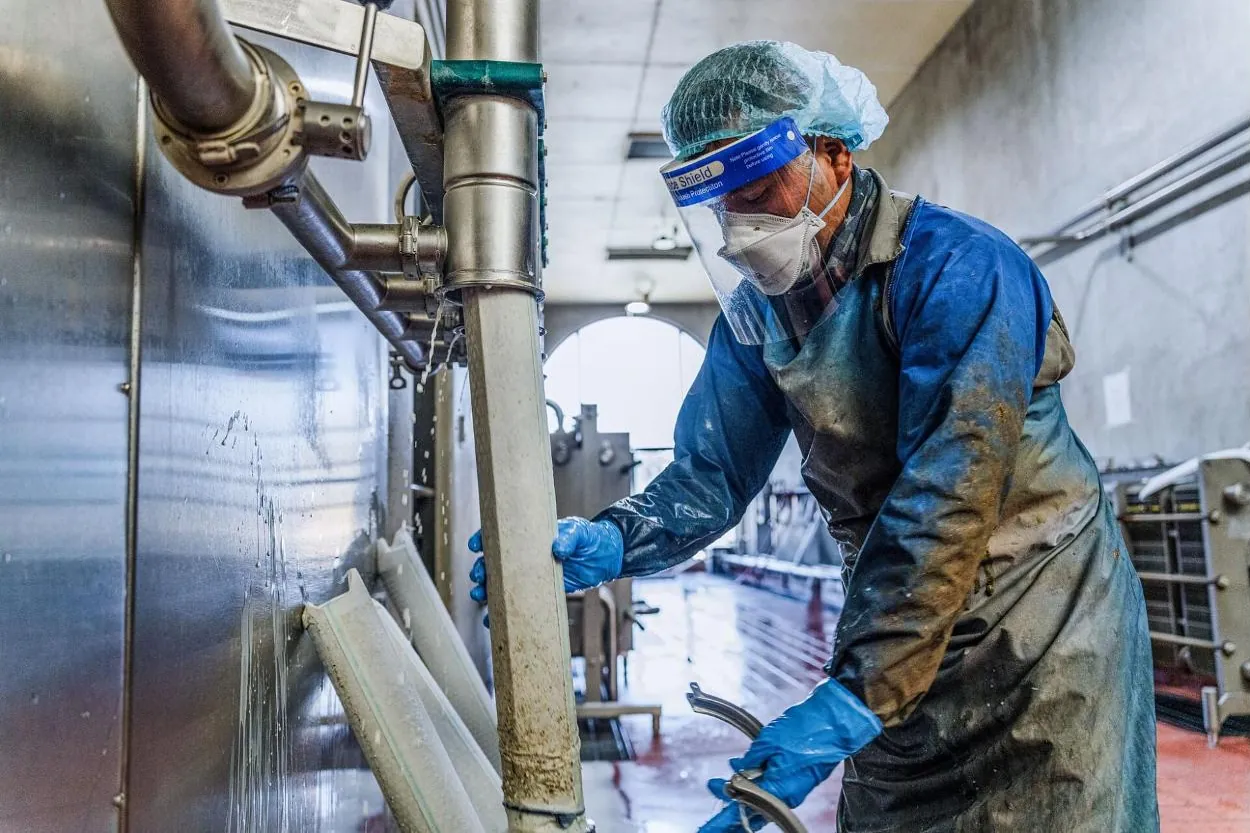
Technicians wear gloves, protective suits and respiratory protection suited to the conditions. We avoid dry sweeping or any step that could make powder airborne. Surfaces are wiped with wet methods, HEPA vacuumed, and washed with detergent solutions. Carpet, mattresses, upholstered furniture and other porous items in the affected area are usually removed rather than cleaned.
When there are also body fluids from an overdose or medical emergency, those areas are cleaned and then disinfected with EPA-registered products used according to label directions.
No clearance standard: what that means for you
We found no federal or Tennessee regulatory clearance standard for fentanyl residue on surfaces, and a 2025 review of state laws describes little policy in this area at the federal level. Tennessee's 0.1 microgram meth standard does not apply to fentanyl.
So no company can truthfully promise that a property meets a Tennessee fentanyl standard, because there is none. If you want documented results, hire an independent industrial hygienist to design sampling and an accredited laboratory to analyze it. Field test strips and instant kits are screening tools only.
If you find pills or powder
- Leave it where it is and keep children and pets away.
- Do not vacuum, sweep or blow it with a fan.
- If someone shows signs of overdose, call 911.
- Contact local law enforcement if you believe it should be reported.
- Wash any skin that touched it with soap and water.
Limits of our role
We do not take custody of drugs as evidence, test substances to identify them, or provide medical advice. HVAC ductwork and equipment go to an HVAC contractor. If there are also syringes, our needle cleanup team handles sharps. For counterfeit tablets specifically, see opioid pill residue cleanup. We serve Nashville and every county in Middle Tennessee.