Why it is more than a trash pickup
Paraphernalia can carry residue of whatever was used, including fentanyl in some cases, and syringes can carry blood. Glass pipes break easily into sharp pieces. Grabbing it all with bare hands and a garbage bag risks cuts, needlesticks and contact with residue.
We treat every item as potentially contaminated, collect it with tools and gloves, and clean the surfaces it was sitting on.
Items we commonly remove
- Glass and metal pipes, stems and screens
- Burned foil, straws and cut pens
- Spoons, bottle caps and cookers
- Syringes, needle caps and tourniquets
- Small baggies, vials and scales
- Lighters, torches and rolling papers
- Cotton, filters and cut cards
Who asks for this
Families are often the first to find paraphernalia, usually in a bedroom or bathroom, after a loved one's death, hospitalization or move into treatment. Landlords find it during move-out inspections. Hotel housekeeping, store managers and building engineers come across it in rooms, restrooms and stairwells. Office managers and groundskeepers find it in break rooms, yards and other outdoor areas. Car buyers and dealers find it under seats.
Whatever brought you here, we will not ask more than we need to plan the work, and we keep it private.
Our removal process
We start by asking where items have been found and whether there are syringes. On site, we check the obvious places first and then the less obvious ones: drawers, closet shelves, the undersides of furniture, mattress seams, toilet tanks, vent covers and the corners of garages and sheds.
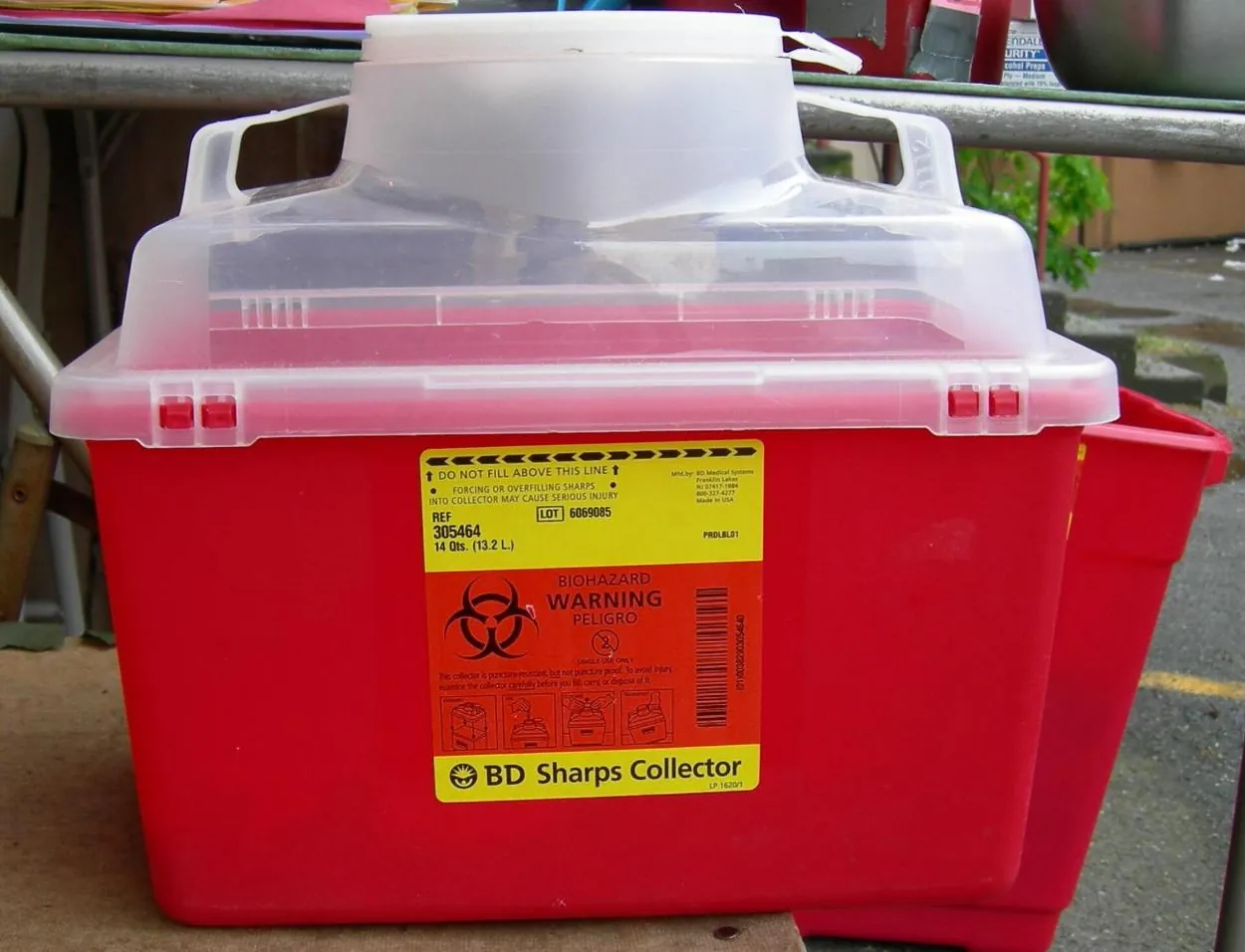
Sharps go directly into closable, puncture-resistant containers. Other items are sealed in bags. Once the area is clear, surfaces where paraphernalia sat are wiped with wet methods and washed with detergent to lift residue. If we find blood or other body fluids, those surfaces are cleaned and then disinfected with an EPA-registered product, kept wet for the time on the label.
When we finish, we walk you through what was collected and which areas were cleaned.
Handling belongings around the items
Paraphernalia is often mixed in with personal belongings: in a nightstand drawer with letters, in a backpack with clothing, or in a box of keepsakes. We separate the two carefully, set personal items aside, and wipe them where practical so the family can decide what to keep.
Nothing personal is discarded without permission, and we can photograph where items were found if that is helpful for an estate or a property manager.
If you find items before we arrive
- Leave everything in place and keep children and pets out.
- Do not touch powder or residue; if you do, wash with soap and water rather than hand sanitizer.
- Never recap a syringe or put needles loose in the trash.
- Call law enforcement first if you believe what you found should be reported.
When the job is bigger
Sometimes paraphernalia is a sign of longer-term use, and the room has residue on walls, carpet and furniture as well. If we see that, we will tell you and explain what a fuller drug residue cleanup would involve, so you can decide. If there is a large volume of needles, or they keep turning up on a property, needle sweeps may be a better fit.
We do not identify substances or hold items as evidence. Testing for documentation should be done by an independent industrial hygienist and accredited laboratory.
Across the region
We remove paraphernalia from homes, rentals, vehicles, hotels and businesses throughout Nashville and every county in Middle Tennessee, with low-key visits that do not draw attention.