What bodily fluid cleanup covers
Bodily fluid cleanup is the removal and disinfection of blood and other potentially infectious materials from the places people live, work and travel. It ranges from a small spill on a tile floor to a bedroom carpet soaked through to the subfloor after a medical emergency.
The part you can see is usually the smallest part. Liquids wick into carpet pad, seep under baseboards, settle into grout lines and run along the seams of upholstery. A spot that looks clean on top can still be contaminated underneath, and that hidden material is often what keeps an odor coming back weeks later.
People call us after falls and injuries, after an ambulance has left, when a tenant moves out and leaves a mess behind, when a guest gets sick in a hotel room or a car, and when a business finds waste in a restroom, stairwell or doorway.
Situations we handle in this category
Each of these has its own page with more detail on what the work involves and what to expect.
- Blood spills on floors, walls, counters and fixtures, including kitchens and bathrooms
- Urine contamination in carpet, mattresses, furniture and subfloors
- Vomit, including incidents where a stomach virus may be involved
- Feces and human waste in homes, restrooms and public-facing areas
- Cleanup after a medical emergency at home, including EMS debris
- Blood from injuries and accidents at home, work or in a vehicle
- Fluids that have soaked into carpet, pad and upholstered furniture
- Mattresses and bedding that have absorbed blood or other fluids
How the work is done
Every job is a little different, but the order of operations stays the same. Cleaning comes before disinfecting, because disinfectants don't work well through a layer of organic material.
- Talk it through You call 615-513-5112 and describe what happened. We ask a few questions about the space, the surfaces and who is in the building, then explain what we expect the scope to be before any work starts.
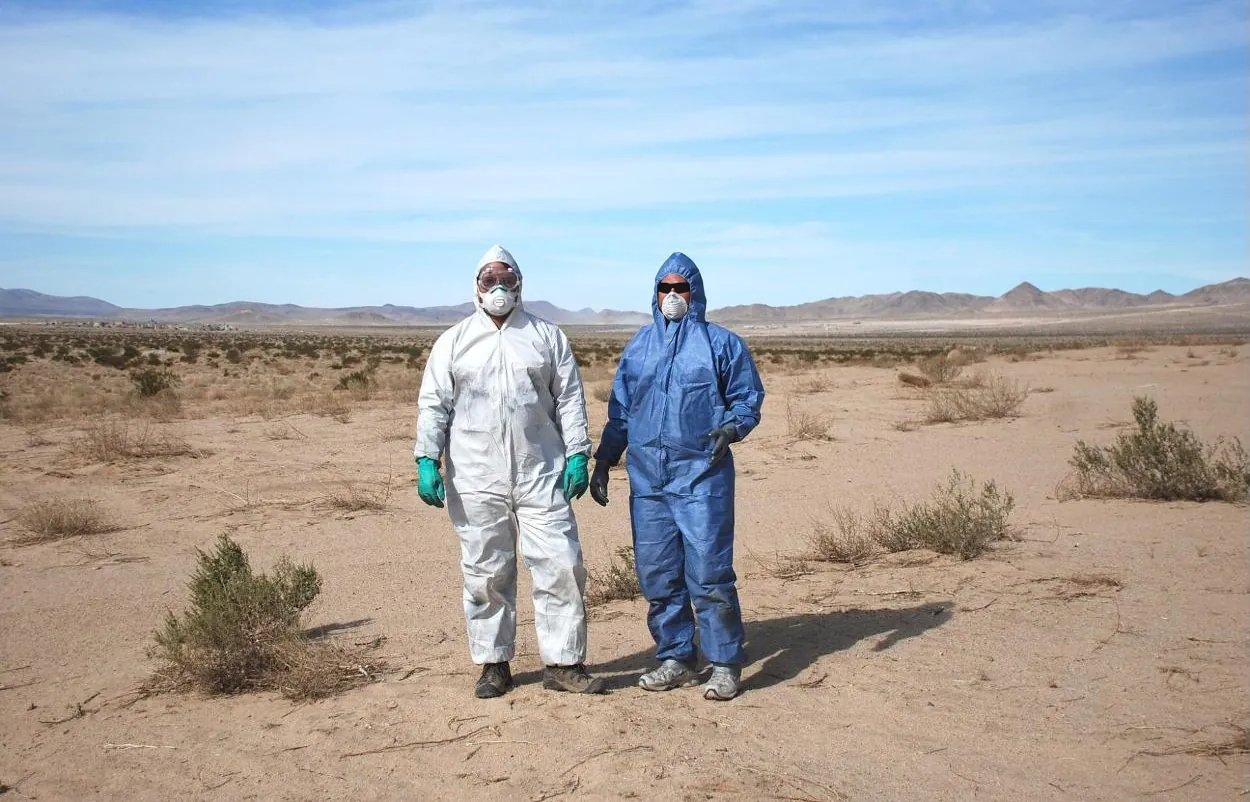
- Set up and protect Technicians put on protective equipment and separate the affected area from the rest of the property so contamination isn't tracked into clean rooms.
- Remove the bulk material Visible fluids and solids are taken up with absorbent material first. This follows CDC guidance for blood spills, which calls for removing organic matter before decontaminating a surface.
- Find the edges We trace how far the fluid traveled, checking under rugs and furniture, along baseboards, behind fixtures and into the layers below the surface.
- Clean, then disinfect Hard surfaces are cleaned and then treated with EPA-registered disinfectants, used according to the label, including leaving them wet for the full contact time the label requires.
- Remove what can't be saved Porous items that are saturated, such as carpet pad, mattresses or soaked drywall, are cut out, bagged and labeled. We go over what needs to be removed before it is removed.
- Dispose and walk through Contaminated materials are disposed of appropriately, and we walk the area with you so you know what was done and what, if anything, still needs a contractor.
Why fluids are treated as a health concern
Federal workplace rules treat blood and many other body fluids as potentially infectious. OSHA's Bloodborne Pathogens Standard governs how employers protect workers who are exposed to them, including protective equipment, training and decontaminating work surfaces with an appropriate disinfectant. Tennessee enforces that standard through its own state plan, TOSHA.
For the public, the practical takeaway is modest: avoid touching fluids with bare hands, keep children and pets away from the area, and don't assume a household spray and a mop have finished the job. CDC notes that even strong bleach may not fully work on large volumes of blood, which is one reason the bulk material has to come up first.
We won't tell you a room is sterile or free of every pathogen, because no honest company can. What we can tell you is exactly how a space was cleaned, which products were used and where material was removed.
What we refer to other trades
Our job is to remove contamination and leave a clean, disinfected space. Some things that come up along the way belong to other professionals, and we'll say so plainly rather than stretch past what we do.
- Replacing flooring, drywall or trim after we remove it goes to a contractor; in Tennessee, projects of $25,000 or more require a state contractor license
- Plumbing problems behind a waste or urine issue go to a plumber
- Hauling and treating regulated medical waste is handled by a regulated medical waste company
- Medical questions, including possible exposures, belong with a doctor or your local health department
Homes, rentals, businesses and vehicles
Most calls come from families, but property managers, business owners, fleets and public agencies use this service too. A landlord may need a unit ready for the next tenant. A store, office, school or gym may need a restroom or locker room reopened. A rideshare driver may need a back seat cleaned before the next shift.
We're a mobile service based in the Nashville area, and we travel to homes and businesses throughout Middle Tennessee, from Davidson and Williamson to Putnam, Maury and Montgomery counties.
Cost, insurance and payment
Price depends on how much material is involved, which surfaces are affected and how much has to be removed, so we explain the scope before work begins rather than quote blind. Our guide to cleanup costs explains what drives the number.
Some homeowner and commercial policies may cover part of this kind of cleanup, depending on the policy and the cause. If you plan to file a claim, contact your insurer or agent early. Our page on insurance and biohazard cleanup covers the questions to ask.
Specialized blood & bodily fluid cleanup services
- Blood Spill Cleanup — Removal and disinfection of blood spills on floors, walls, counters and furniture in homes, rentals, businesses and vehicles across Middle Tennessee.
- Urine Cleanup — Locating and removing human urine contamination from carpet, pad, subfloors, mattresses and furniture, followed by disinfection and odor control.
- Vomit Cleanup — Vomit removal and disinfection for homes, hotels, venues, schools, buses and vehicles, including wider-area treatment when norovirus or another stomach bug may be involved.
- Human Waste Cleanup — Removal of feces and human waste from homes, rentals, public restrooms, stairwells, garages, alleys and storefronts, with cleaning, disinfection and odor control.
- Medical Emergency Cleanup — Cleanup of blood, bodily fluids and EMS debris after falls, hemorrhages, seizures, cardiac events and other medical emergencies at home or work.
- Injury Blood Cleanup — Blood cleanup after household, workplace, gym and vehicle accidents, including decontaminating tools, equipment and outdoor surfaces.
- Carpet & Upholstery Fluid Removal — Assessment, extraction and removal of blood, urine and vomit from carpet, pad, sofas, recliners and vehicle seats, with clear restore-or-replace guidance.
- Mattress & Bedding Cleanup — Wrapping, removal and disposal of fluid-contaminated mattresses and bedding, plus cleaning and disinfecting the bed frame, box spring area and surrounding room.