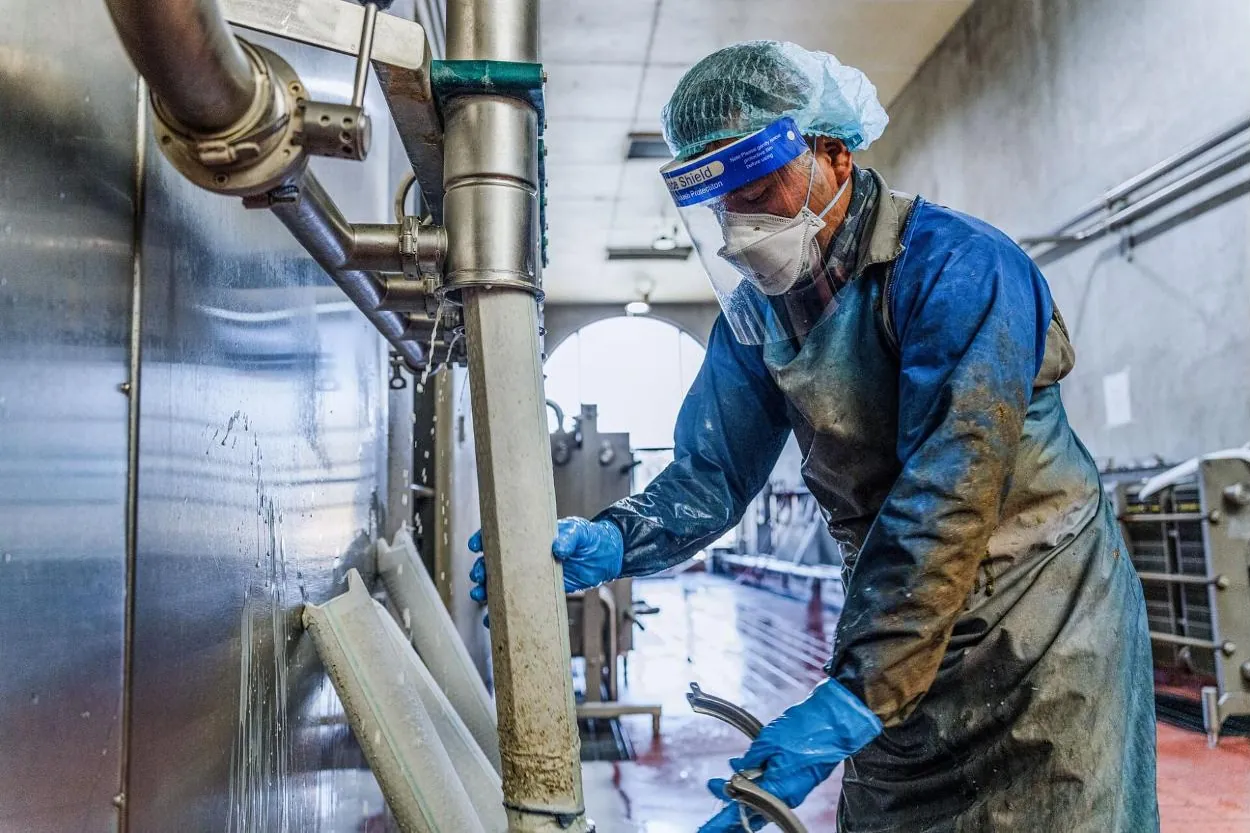
What infectious disease decontamination means
Infectious disease decontamination is a targeted cleaning and disinfection job done after a known or suspected illness, such as norovirus, C. diff, MRSA or COVID-19. The goal is practical: remove soil and body fluids, then apply a disinfectant that is registered by the EPA for the specific organism and keep it on the surface for as long as the label requires.
It is different from routine housekeeping. A general cleaner may not carry the claim you need, and some organisms, such as C. diff spores, are not affected by many common disinfectants. Matching the product to the pathogen is the core of the work.
We are a cleanup company, not a medical provider. We do not diagnose illness, test people or tell anyone when it is safe to return to work or school. Those decisions belong to your doctor, your facility's infection preventionist or the health department.
Choosing a disinfectant by pathogen
The EPA publishes lists of registered disinfectants grouped by pathogen, and a product may only make the claims the EPA has approved on its label. We choose from the list that fits the situation and read the label before the first wipe.
- List K: products with claims against C. difficile spores
- List G: products with claims against norovirus
- List H: products with claims against MRSA and/or VRE
- List S: products with claims against bloodborne pathogens such as hepatitis B, hepatitis C and HIV
- List N: products for SARS-CoV-2, the virus that causes COVID-19
- List B: products with claims against Mycobacterium tuberculosis
- List P: products with claims against Candida auris
- List Q: products for emerging viral pathogens, used when EPA's program applies
When people call us
Most calls come after a confirmed diagnosis or a cluster of illness. A family may be caring for someone recovering from C. diff at home. A daycare may have several children out with a stomach virus. A gym may have had a member report a staph infection, or a landlord may need a unit turned over after a long illness.
Businesses and agencies also call when a single incident, such as vomit in a classroom or blood in a restroom, needs to be handled in a documented way before the space reopens. Many of these jobs are done after hours so normal operations can resume. Senior living communities, clinics, hotels and rental owners call too, about illnesses that range from influenza and RSV to mpox.
How a decontamination job works
Every job follows the same basic order, adjusted to the organism, the size of the space and who uses it.
- Conversation and scope We ask what illness is involved, which rooms or vehicles were used, and whether a doctor or health department has given instructions. We explain the scope and cost before work begins.
- Protection and setup Our team wears protective equipment suited to the job, and we set up containment where it helps keep work areas separate from clean ones.
- Cleaning first Visible soil, body fluids and organic matter are removed. CDC guidance stresses cleaning before disinfection, and many disinfectant labels require it.
- Disinfection at label contact time We apply the selected EPA-registered product and keep surfaces visibly wet for the full contact time stated on the label.
- Soft goods Bedding, curtains, upholstery and similar items are laundered, treated where a product label allows, or removed for disposal with your agreement.
- Written record We can provide a written record of the areas treated and the products used, including EPA Registration Numbers and contact times.
Safety and health considerations
EPA explains that cleaning removes dirt and organic matter, sanitizing reduces bacteria, and disinfecting kills viruses and bacteria on surfaces. Those words are not interchangeable, and we use them carefully on our paperwork.
A disinfectant only performs as its label describes when it is used as directed. That means the right dilution, the right surface type and the full contact time. Surfaces that dry early may not be disinfected, which is why we favor methods that let us see the surface stay wet.
Disinfection addresses surfaces at the time it is done. It does not create lasting protection, and it does not replace hand hygiene, vaccination or medical care. We say this plainly so you can plan with realistic expectations.
What we leave to other professionals
Some parts of an illness response are outside cleanup work. We coordinate with, or refer you to, the people who handle them.
- Medical questions, testing, treatment and return-to-work decisions: your healthcare provider or the health department
- Outbreak management in hospitals and long-term care: the facility's infection preventionist and public health officials
- HVAC duct cleaning or system repairs: a licensed HVAC contractor
- Transport and treatment of regulated medical waste: a regulated medical waste hauler and treatment facility
Working with families, facilities and agencies
For a household, the work is usually one or two rooms and a bathroom, done with care for the person who has been ill. We keep the visit quiet, and we talk through which personal items need special handling before anything is discarded.
For schools, care homes, offices and transit operators, we can work overnight or between shifts and leave a written record for your files. If you need help with routine prevention rather than a single event, see our disinfection services.
Insurance coverage for illness-related cleaning depends on the policy and is often limited, so we recommend asking your agent. Our insurance page explains what usually matters. We serve Nashville and every county in Middle Tennessee from our base in the Nashville area.
Specialized infectious disease decontamination services
- COVID-19 Decontamination — Targeted cleaning and List N disinfection of high-touch surfaces after a COVID-19 case in a home, office, daycare or vehicle.
- MRSA Decontamination — Cleaning and List H disinfection of shared surfaces, equipment and soft goods after a MRSA case in a home, gym, school or care setting.
- C. diff Decontamination — Pre-cleaning plus List K sporicidal disinfection of bathrooms, bedrooms and care equipment after a C. diff illness at home or in a facility.
- Norovirus Decontamination — Removal of vomit and diarrhea followed by List G disinfection for homes, classrooms, restaurants, buses and care facilities.
- Influenza Decontamination — High-touch surface cleaning and disinfection with influenza-labeled EPA products for offices, classrooms, churches and homes during flu season.
- Hepatitis Decontamination — Blood and fecal-contamination cleanup with EPA-registered products matched to hepatitis A, B or C for homes, businesses and vehicles.
- Tuberculosis Decontamination — Health department-coordinated cleaning support after a TB case, using EPA List B tuberculocidal disinfectants on surfaces where appropriate.
- Staph Decontamination — Cleaning and disinfection with Staphylococcus aureus-labeled EPA products for homes, dorms, care settings and athletic spaces after a staph infection.
- Mpox Decontamination — Discreet mpox cleanup with careful linen handling, wet cleaning and EPA List Q disinfection for homes, rentals, hotels and shared housing.
- RSV Decontamination — Disinfection of cribs, toys, changing tables and shared surfaces with RSV-labeled EPA products for daycares, nurseries, clinics and homes.