Why some odors will not go away on their own
A persistent odor is almost always a sign that something is still there. Fluids from decomposition can soak through carpet and pad into the subfloor. Smoke residue settles on walls, ceilings and soft furnishings. Pet urine wicks into padding and wood, and sewage can leave contamination in insulation or crawlspace soil long after the water is gone.
Air fresheners, candles and fragrance sprays only cover the smell for a while. Even powerful deodorizing machines struggle if the source is left in place. That is why our odor work starts with investigation and removal, not with equipment.
- Decomposition odor after a death in a home, rental unit or vehicle
- Cigarette, cigar and other smoke odor, including light soot from small fires
- Pet urine and feces odor in carpet, subfloors and baseboards
- Sewage odor from backups, crawlspace leaks or old contamination
- Odor left behind after hoarding cleanouts and other heavy cleanup
Our odor removal process
- Investigate We trace where the odor is coming from, checking flooring, subfloors, walls, crawlspaces and furnishings, and we explain what we find.
- Remove the source Saturated or heavily contaminated materials, such as carpet, pad, drywall sections or insulation, are removed and bagged for disposal.
- Clean Remaining surfaces are cleaned to take off residue, and disinfected where bodily fluids or sewage were involved.
- Seal where needed Porous wood or concrete that held contamination can be coated with an odor-blocking sealer before flooring or finishes are replaced.
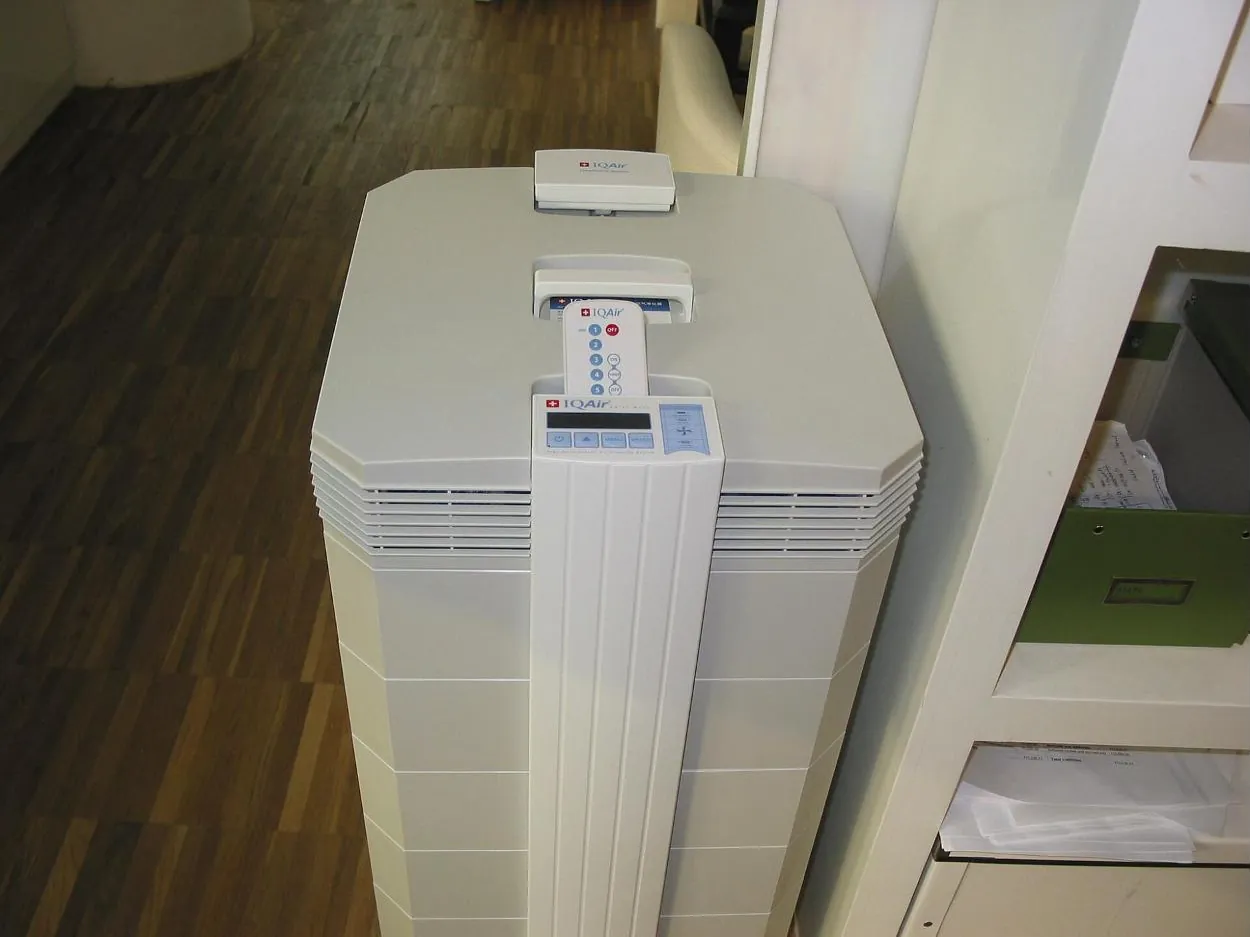
- Deodorize If odor lingers after the source is gone, we may use deodorization equipment, such as a hydroxyl unit or a thermal fogger with a labeled deodorizer, chosen for the space and its occupancy.
- Review with you We walk through the space with you and talk honestly about any remaining odor and what else could be done.
What EPA says about ozone and air-cleaning devices
Ozone generators are widely marketed for odor control, so it is worth being clear about their limits. EPA states that ozone may mask odors but that there is little scientific support for claims that it removes them. EPA also notes that ozone can damage the lungs and worsen asthma, that no federal agency has approved ozone generators for use in occupied spaces, and that ozone can damage rubber, fabrics, plants and artwork.
When we use ozone, it is only in a space where no people, pets or plants are present, followed by ventilation and a controlled return. We do not describe ozone as a disinfectant. We also do not claim that hydroxyl generators disinfect or that they are approved for occupied spaces; we treat them as deodorization equipment and follow the manufacturer's instructions.
EPA's broader advice on indoor air is that controlling the pollutant source and ventilating are the most effective steps. That matches how we approach every odor job.
Protecting people during odor work
When odor comes from decomposition, sewage or animal waste, the materials involved may carry bloodborne or other infectious agents. Our team uses protective equipment and containment, and we disinfect affected surfaces with EPA-registered products used according to label directions.
If you are in the space before we arrive, open windows if it is safe, keep children and pets away from the affected area, and avoid pulling up carpet or tearing out materials yourself. Do not run an ozone machine while anyone is home.
When another professional is part of the solution
Odor sometimes points to a problem that sits outside cleanup. We will tell you when that is likely.
- A plumber for broken drain lines, dry traps, failed seals or vent problems behind a sewage odor
- An HVAC contractor when odor has entered ductwork or the air handler
- A general contractor to replace subfloor, drywall or framing that had to be removed
- A pest control or wildlife professional when a dead animal or nest is inside walls or the attic
- A mold professional when moisture has led to growth beyond what our cleanup addresses
Odor problems in rentals, vehicles and commercial spaces
Property managers often discover odor at turnover, after a tenant has moved out of an apartment or house, or after a unit or storage space sat closed for a period. Because the next resident will notice what the last one stopped smelling, we pay attention to subfloors, baseboards, closets and the areas around vents, not just the obvious spots.
Vehicles hold odor in seat foam, carpet padding and headliners, which are difficult to clean once saturated. In some cases removal of those components is the only reliable fix, and reupholstery goes to an auto upholstery shop.
Hotels, offices and other businesses usually want the work done with little disruption. We can plan odor work around occupancy where the method allows, and we explain clearly when a room or area must stay empty during treatment.
Timing, cost and what to expect
How long odor work takes depends on how far the contamination spread and how much material has to come out. A small area of pet urine is very different from a home after an extended unattended death. We describe the scope before we start so you know what is planned.
We cannot promise that every trace of odor will be gone in every situation, especially where contamination reached framing or masonry. We will be straightforward about what we expect and what additional steps might help. Coverage through a homeowners or property policy depends on the policy and the cause of loss; see our insurance overview.
For specific situations, see decomposition odor removal and ozone and hydroxyl treatment. We serve homes, rentals, vehicles and businesses across all 41 counties of Middle Tennessee from our Nashville-area base.
Specialized odor removal & deodorization services
- Decomposition Odor Removal — Removal of odor after a death in a home, rental or vehicle, starting with fluid-affected materials and finishing with sealing and deodorization where needed.
- Smoke Odor Removal — Removal of cigarette, cigar and small-fire smoke odor from homes, rentals and vehicles by washing residue, removing saturated materials and sealing surfaces.
- Pet Urine Odor Removal — Pet urine odor removal that locates saturated spots, removes pad and damaged subfloor sections, then cleans, seals and deodorizes the area.
- Sewage Odor Removal — Tracking down and removing sewage odor from crawlspaces, basements, bathrooms and commercial restrooms, with plumbing repairs handled by your plumber.
- Ozone & Hydroxyl Treatment — Deodorization with ozone or hydroxyl equipment as a finishing step after source removal, with ozone used only in unoccupied spaces.