From the first call to the final walkthrough
Every situation is different, but most biohazard jobs follow the same careful sequence. Knowing it in advance tends to make a hard week a little easier.
- The first call We listen, ask only what we need to understand the situation, and tell you honestly whether it is something we handle. If law enforcement or a medical examiner is involved, the scene must be released before cleanup begins.
- Assessment On site, we identify which areas and materials are affected — including what may have soaked into carpet pad, subflooring, drywall or upholstery — and explain the plan and what it will involve before work starts.
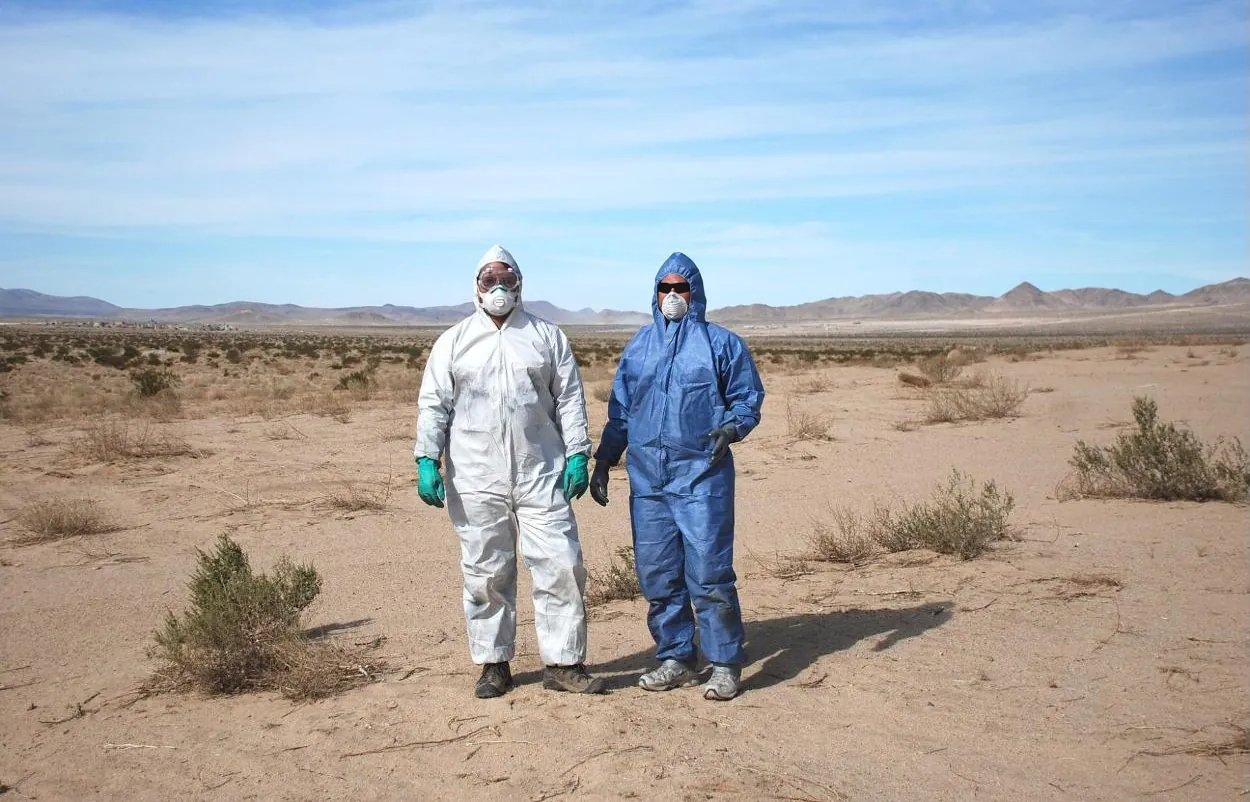
- Protection and containment Technicians wear protective equipment, and affected rooms can be isolated so contamination and odor do not travel to clean areas.
- Removal Contaminated porous materials that cannot be safely cleaned are removed, bagged and handled for appropriate disposal. Personal items are treated with care; we ask before discarding anything that matters to you.
- Cleaning and disinfection Remaining surfaces are cleaned first, then treated with EPA-registered disinfectants used according to label directions, including the required contact time.
- Odor control Odor is addressed at its source. Where needed, deodorization equipment is used only under conditions that keep people and pets safe.
- Walkthrough We review the work with you and point out anything that needs another trade, such as flooring replacement or HVAC service.
What we do not claim
Cleaning and disinfection reduce hazards; they are not a medical or environmental certification. Where a property needs formal testing or clearance — for example after methamphetamine manufacture, which Tennessee regulates separately — an accredited laboratory or qualified specialist provides it. We will tell you when that applies.