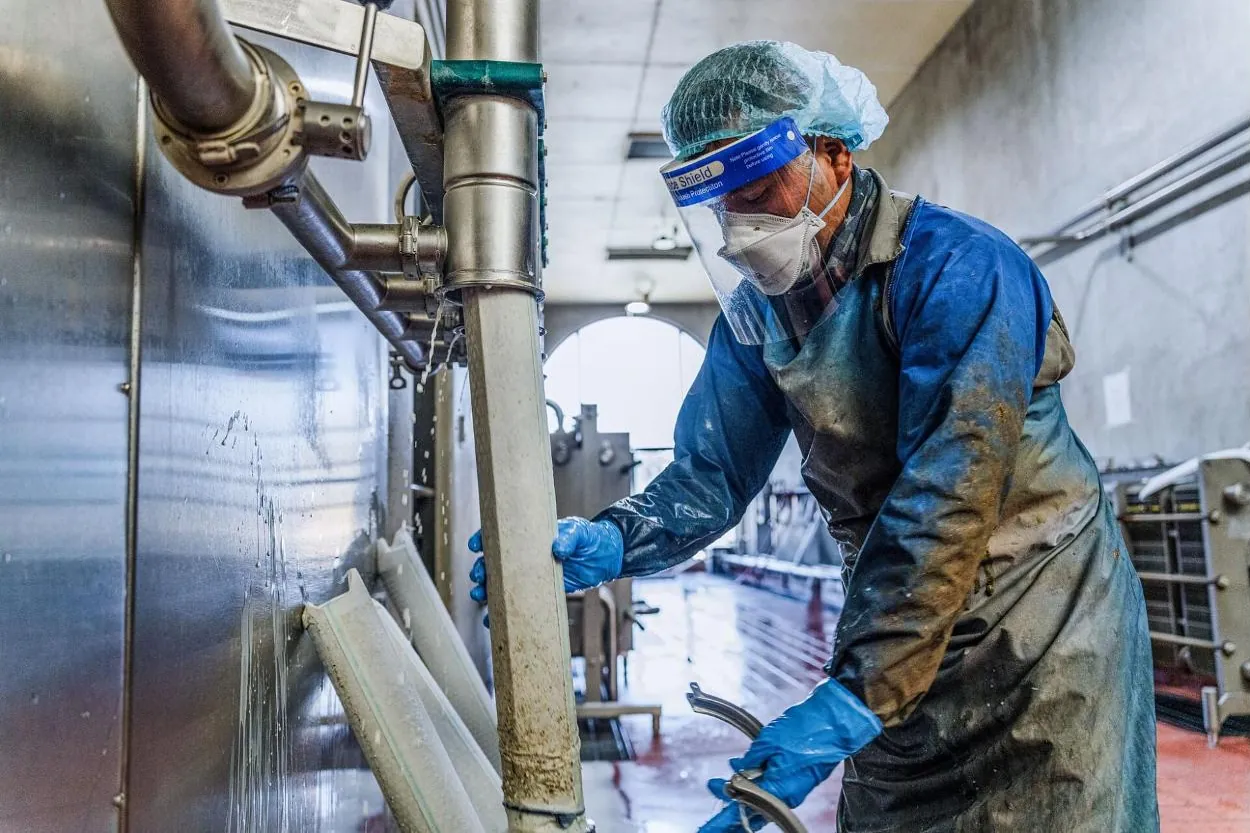
What drug residue cleanup means
Drug residue cleanup is the decontamination of a property where substances such as methamphetamine, fentanyl, xylazine (tranq), heroin, cocaine, crack, marijuana, synthetic cannabinoids, PCP or counterfeit pills were used. Smoke and vapor leave a film on hard surfaces; powders scatter into carpet, upholstery and cracks; and soft goods absorb odor and residue. Syringes often turn up too; we collect them during the job, and our needle cleanup page explains how.
Our callers are landlords and property managers turning a unit, families settling a relative's affairs, buyers who learned about a home's history after closing, dealerships and fleet owners, and housing providers. We are a mobile team based in the Nashville area and we work in all 41 counties of Middle Tennessee.
- Rental houses and apartments after an eviction or move-out
- Inherited or newly purchased homes with a history of drug use
- Hotel and motel rooms
- Cars, trucks and fleet vehicles
- Common areas, stairwells and restrooms in commercial buildings
- Offices, stores, bars and event venues where use was discovered
Use sites and manufacturing sites are not the same
This distinction shapes everything about a meth job in Tennessee. The state's quarantine and cleanup framework, set out in T.C.A. Title 68, Chapter 212, Part 5 and TDEC Rule 0400-15-02, applies to property where methamphetamine was manufactured. Local law enforcement may quarantine such a property and post it. A quarantined property must be tested by a CML specialist or industrial hygienist recognized under the TDEC program and decontaminated by a contractor on TDEC's authorized list, and it is released only after a Certificate of Fitness and a Release from Quarantine.
A property where drugs were smoked or used, but not made, does not fall under that quarantine process. Most of the calls we receive are use sites.
Before any work, we ask you to confirm the property's status with the local law enforcement agency or with TDEC's Division of Remediation at 888-891-8332. If a property is quarantined, we will tell you so and point you toward TDEC's process and its authorized contractors rather than proceed.
There is no clearance standard for fentanyl
We found no federal or Tennessee regulatory clearance standard for fentanyl residue on surfaces. A handful of other states have adopted their own measures, but none apply here. That means no one can honestly certify a room as fentanyl-free against a Tennessee standard.
What we can do is remove contaminated materials, clean surfaces thoroughly, and document the work. If you want sampling afterward, an independent industrial hygienist can design it and an accredited laboratory can analyze it, and you or your hygienist can decide what result is acceptable for your purpose.
Our decontamination process
- Status check and history We confirm the property is not quarantined and ask what is known: which substances, how long, which rooms, and whether testing has been done.
- Walkthrough and scope We inspect the space, note porous materials and the HVAC layout, and explain in writing what we plan to remove and clean.
- Optional baseline sampling If you want numbers, we recommend an independent industrial hygienist or accredited lab collect samples before work begins.
- Containment and protection Work areas are sealed off from clean areas, and technicians wear protective equipment suited to the substances involved.
- Removal of porous goods Carpet, pad, mattresses, upholstered furniture, curtains and similar items that hold residue are bagged and removed.
- HEPA vacuuming and washing Surfaces are vacuumed with HEPA-filtered equipment, then washed with detergent solutions, often in more than one pass, working from ceilings down.
- Final review We walk the property with you, describe what was done, and leave the space ready for any post-cleaning sampling you choose.
Safety without exaggeration
Drug residue deserves respect, not panic. DEA describes fentanyl as roughly 100 times more potent than morphine. At the same time, a position statement from the American College of Medical Toxicology and the American Academy of Clinical Toxicology concludes that incidental skin contact is exceedingly unlikely to cause opioid intoxication, and that meaningful airborne exposure is unlikely in routine settings.
Practical precautions still matter. NIOSH advises anyone who contacts illicit drugs to wash skin with soap and water and not to use hand sanitizer, alcohol-based cleaners or bleach on skin. Keep children and pets out of affected rooms, and do not vacuum or sweep suspected powder with household equipment.
Testing: what it can and cannot show
Instant field test kits are screening tools. They can help locate residue, but they are not clearance testing and we do not present them as such. Clearance sampling and its interpretation belong with an independent industrial hygienist and an accredited laboratory, not with the company that performed the cleaning.
We are glad to coordinate schedules with your hygienist and to provide our scope and notes so the sampling plan matches the work.
Work we refer out
- Cleaning or replacing HVAC ductwork and equipment, which goes to an HVAC contractor
- Chemicals, containers or equipment from a suspected cook site, which go to law enforcement and a hazardous-waste vendor
- Drywall, flooring and cabinet replacement after removal
- Painting and finish work
- Addiction treatment and family support resources
Scheduling, cost and insurance
Drug residue jobs vary widely with square footage, how long the use went on, and how many porous materials are involved. We give you a written scope before work starts, and our page on cleanup costs explains the main factors.
Property insurance policies frequently exclude drug contamination, though some may respond depending on the policy and the circumstances. Talk with your insurer or agent before assuming either way; our insurance guide lists useful questions.
For substance-specific details, start with meth smoke residue cleanup or fentanyl cleanup.
Specialized drug residue cleanup services
- Meth Smoke Residue Cleanup — Decontamination of homes, rentals, hotel rooms and vehicles where meth was smoked but not manufactured, with porous removal and detergent washing.
- Fentanyl Cleanup — Careful removal of fentanyl powder, pills and residue from homes, rentals, vehicles and businesses, with honest guidance on independent testing.
- Heroin Cleanup — Search and removal of syringes, paraphernalia, residue and blood where heroin was used in a home, rental, vehicle or business restroom.
- Cocaine Cleanup — Collection of cocaine powder and residue from homes, rentals, vehicles, hotel rooms and venues, treating unknown powder with appropriate caution.
- Crack Cocaine Cleanup — Smoke film removal, soft-goods removal and detergent washing in rentals, homes and vehicles where crack cocaine was smoked.
- Marijuana Residue Cleanup — Resin film and odor-source removal after heavy marijuana smoking, plus debris and equipment removal after an indoor grow, with mold work referred out.
- Xylazine Cleanup — Cleanup of rooms where xylazine was used, covering drug residue, syringes, blood, soiled dressings and contaminated bedding or furniture.
- K2 / Spice Cleanup — Cleanup of smoke film, odor sources, vomit and soiled bedding where K2 or Spice was used, including recurring visits for shelters and facilities.
- PCP Cleanup — Removal of PCP-soaked materials, chemical odor sources, broken glass and body fluids from homes, rentals and vehicles.
- Opioid Pill Residue Cleanup — Collection of loose or counterfeit pills, crushed powder and burned foil, plus residue cleanup, in homes, rentals, vehicles and workplaces.