Why the irritation lingers
Tear gas, commonly CS, and pepper spray, commonly OC, are deployed as fine particles or droplets. After use, they settle as residue on floors, walls, ceilings, furniture, clothing and anything else in the room. When those surfaces are touched, walked on or disturbed, some of that residue can be stirred up again.
Some people notice irritation when they return to an affected room, even though the visible cloud is gone. Opening windows helps with the air but does little for residue on surfaces.
When people call us
- After police used tear gas during a standoff, arrest or search
- After pepper spray was discharged inside a home, store or vehicle
- When a self-defense canister went off accidentally
- When a landlord takes back a unit where chemical agents were used
- When a business needs to reopen after an incident at its entrance
Decontamination process
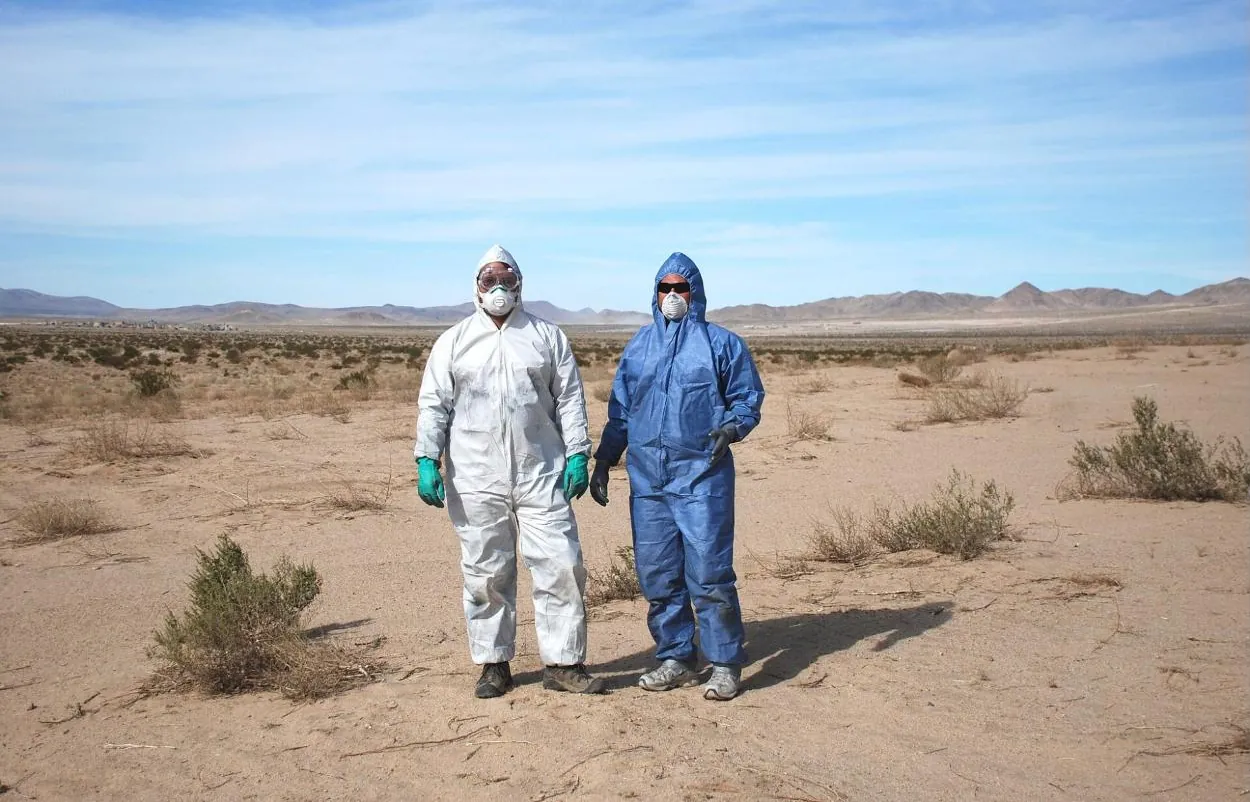
- Ventilate and protect We air out the space where possible and wear protective equipment, including eye and respiratory protection suited to the conditions.
- Remove loose residue dry HEPA-filtered vacuums lift settled particles from floors, upholstery, carpets and ledges before anything gets wet, so residue isn't smeared around.
- Wash hard surfaces Walls, ceilings, floors, counters, cabinets and fixtures are washed, working from top to bottom so residue doesn't drip onto cleaned areas.
- Treat fabrics Upholstery and carpet are cleaned; curtains, bedding and clothing are bagged for laundering or, if heavily affected, recommended for disposal.
- Clean accessible vents Registers, grilles and return vents are removed and cleaned where they're accessible.
- Walk through together We walk the space with you to review the surfaces we cleaned and anything that still needs attention.
Homes, rentals, storefronts and vehicles
Chemical agents behave differently depending on the space. In a small apartment, residue tends to reach every room. In a house, it may be concentrated where canisters landed but drift up stairways and into bedrooms. In a storefront, merchandise, displays and stockroom shelves may all be affected, and a business owner has to decide what inventory can be sold.
Vehicles are a confined space with a lot of fabric, so residue concentrates there. Seats, headliners, carpet, seat belts and the ventilation system all hold onto it. We clean the cabin and accessible vents once the vehicle has been released to you.
Kitchens, food and personal items
Open food, uncovered dishes and anything on kitchen counters during the incident should be discarded. Sealed cans and packaged goods can usually be wiped down and kept. Toothbrushes, pillows and other items that touch the face are worth replacing.
Clothing and linens can often be saved with repeated washing, kept separate from other laundry. If an item still causes irritation after washing, replacing it is the sensible choice.
HVAC systems and our limits
If the heating or cooling system was running when chemical agents were used, residue can travel through ductwork. We clean the vents and grilles we can reach, but cleaning duct runs or the air handler is work for an HVAC contractor. Running the system before it's addressed can spread residue to other rooms, so we recommend leaving it off until we've assessed.
Repairs to windows broken by canisters, and any structural damage, go to a contractor or glazier. If the incident was part of a law enforcement operation, our police raid cleanup page covers the rest of what may need attention.
Until the residue is gone
- Avoid sitting on upholstered furniture or lying on beds in affected rooms
- Wash irritated skin with plenty of soap and water, and avoid rubbing your eyes
- Keep children and pets out of affected areas
- Leave the HVAC system off if it was running during the incident
- Seek medical care for breathing problems or eye pain that doesn't ease