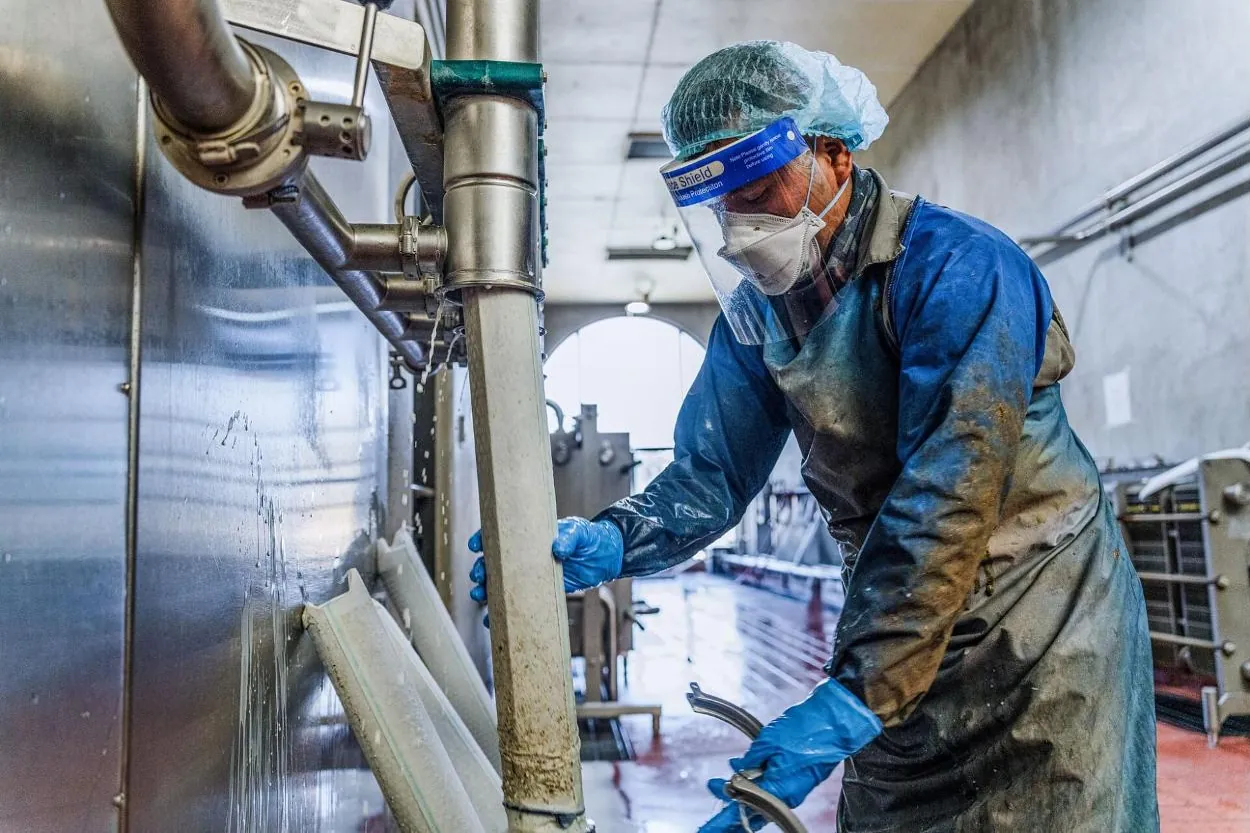
Looking clean is not the same as being disinfected
Wiping up a spill with household products often removes what you can see while leaving residue in grout, seams, fabric and porous materials. Disinfection is a separate step that depends on a clean surface, an appropriate EPA-registered product, and enough contact time.
Post-incident disinfection is the work of carrying out that sequence properly after something has happened, whether in a home, a vehicle, a school, a restaurant, a hotel, a store or another public space. It is often the final stage of a larger cleanup, and sometimes the only stage needed when the material itself has already been removed.
Incidents we are called for
- Blood from an injury, medical emergency or assault, after any required release by law enforcement
- Vomit or diarrhea, including during illnesses such as norovirus
- Sewage overflows once standing water and debris are removed
- Areas affected by an unattended death, after the person has been removed by authorities
- Animal waste or rodent contamination
- Rooms used by someone with a contagious illness
Step by step
- Assess We identify the affected area, the materials involved and any organism of concern.
- Remove Visible material is taken up with absorbents, and porous items that cannot be reliably cleaned are removed for disposal.
- Clean Surfaces are cleaned to remove residue, which CDC guidance identifies as a necessary step before disinfection.
- Disinfect We apply an EPA-registered product whose label covers the surface and organism, and keep it wet for the label contact time.
- Dispose Contaminated materials are packaged and labeled for appropriate disposal.
- Walk through We show you what was done, note anything that needs repair or replacement by another trade, and can provide a written report.
Matching products to the situation
EPA groups registered disinfectants by the pathogens their labels address. For blood and bodily fluids, List S covers products with claims against bloodborne pathogens such as hepatitis B, hepatitis C and HIV. For norovirus, List G applies. CDC's norovirus guidance calls for removing vomit or diarrhea with disposable towels before disinfecting.
CDC also notes that for large volumes of blood, even strong bleach solutions may not fully inactivate pathogens, which is one reason removal and cleaning come first.
Porous materials and what may need to go
Many disinfectant labels are limited to hard, nonporous surfaces. Carpet, pad, upholstery, mattresses and bedding that absorbed fluids often cannot be reliably disinfected, and removal may be the safer choice. We will explain our reasoning item by item, especially for belongings with personal value.
For mattress and bedding situations, see mattress and bedding cleanup.
In the hours before cleanup
Keep people and pets away from the area. Do not mix cleaning chemicals, and avoid scrubbing large amounts of blood or fluids without gloves and eye protection. If anyone had direct contact with blood or fluids through a cut or the eyes, contact a healthcare provider promptly.
If a crime or death is involved, wait until law enforcement or the medical examiner has released the area. For workplaces, your exposure control plan still governs what employees should and should not handle under OSHA's Bloodborne Pathogens Standard.
Who handles what
We clean and disinfect. Medical care, testing and decisions about illness belong to healthcare providers and public health officials. Repairs go to contractors, and plumbing failures to a plumber. Where an organism-specific approach is needed, our infectious disease decontamination pages go into more detail. We serve all 41 counties of Middle Tennessee.