Your space, your decisions
If you've been assaulted, you've already had control taken from you. We try to give as much of it back as we can. You decide when we come, who is present, which rooms we enter and what happens to your belongings. If you'd rather not talk about what happened, you don't need to. On the phone we'll ask only about the property, timing and access, and we can plan the work from what we see.
We don't share details of any job with neighbors, landlords or anyone else unless you ask us to.
What an assault scene may include
- Blood or other body fluids on floors, walls, furniture or bedding
- Broken glass, furniture or household items
- Damage to walls or doors from a struggle
- Clothing, linens or a mattress that need to be cleaned or removed
- Fingerprint powder and other residue left by investigators
Where assaults happen and where we clean
We clean after assaults in houses, apartments, dorm-style housing, hotel rooms, bars, offices and vehicles. In shared housing, we can limit our work to your room and the areas you approve, and we won't explain the reason for our visit to roommates or neighbors unless you want us to.
If the assault happened somewhere you don't control, like a rental or a workplace, the owner or manager may need to authorize the work. With your permission, we'll speak with them so you don't have to repeat what happened.
Before anything is thrown away
Some items at an assault scene may matter to the case, even after the property is released. Before we remove clothing, bedding or other personal items, confirm with the detective or your victim advocate that investigators don't need them. If we come across anything that seems connected to the case, we stop and let you know.
Beyond that, nothing is discarded without your say. Items that can be cleaned are set aside; items that can't are explained before they go.
The cleanup
- Plan with you We agree on timing, which rooms we'll work in and whether you'd like to be present or have someone there for you.
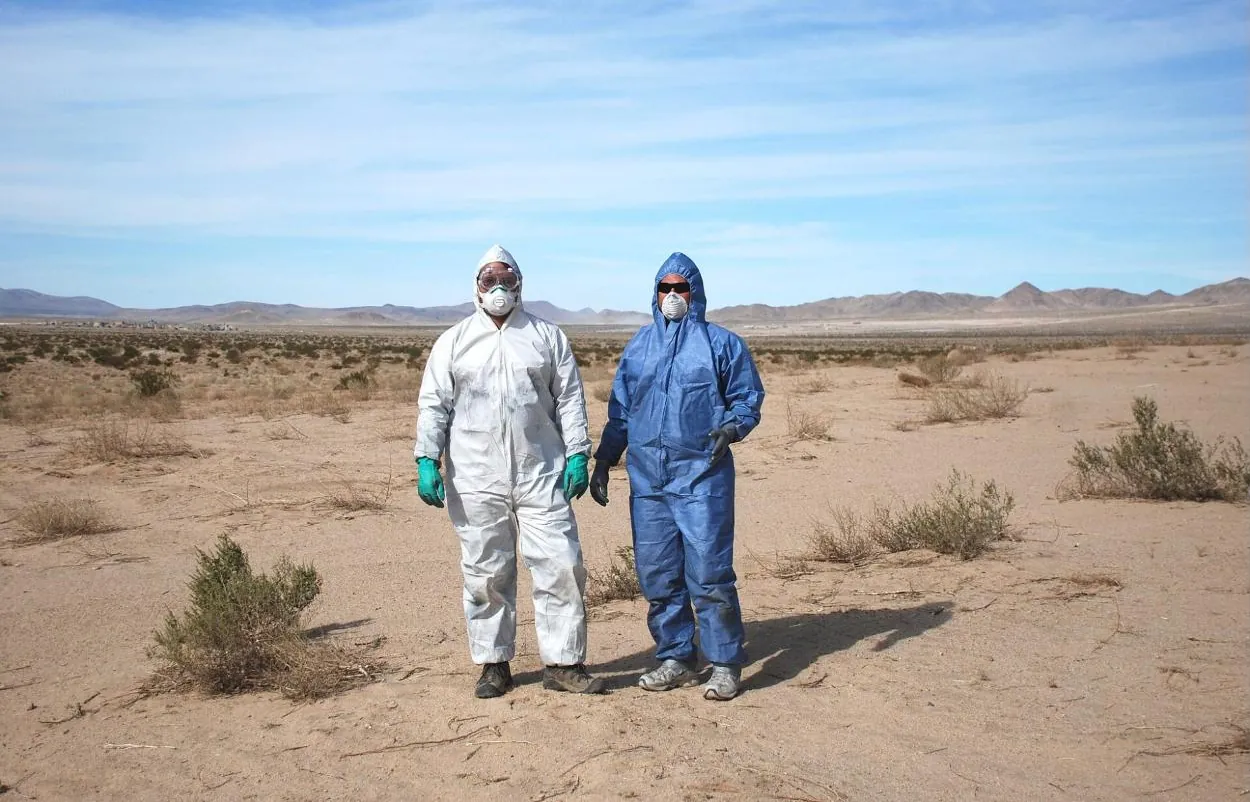
- Protect and contain Our team uses protective equipment and closes off the work area.
- Remove biological material Blood and fluids are lifted from hard surfaces, and saturated soft items are bagged with your approval.
- Clear damage and residue Broken glass and debris are removed, and fingerprint powder is cleaned from doors, frames and surfaces.
- Disinfect and restore order Surfaces are disinfected with EPA-registered products per label, and the room is put back in order as far as we can.
Compensation that may be available
Tennessee's Criminal Injuries Compensation program describes covered cleanup costs for scenes of homicide, sexual assault and aggravated assault that were the residence of the victim or a relative. The Treasury program says it may pay up to $3,000 for cleaning and removal of materials, though not repairs or replacement. It generally expects the crime to be reported to police within 15 days and a claim filed within two years, and it pays only what other sources, such as insurance, don't.
A victim advocate can walk you through the application. Eligibility is decided by the program, and we won't promise an outcome.
Support for you
Cleaning the room is one small part of recovery. Victim advocates with law enforcement or the district attorney's office can connect you with counseling, safety planning and other services. If you're in danger, call 911. If you or someone you know is struggling, call or text 988 (Suicide & Crisis Lifeline).
Repairs to walls, doors or locks after cleanup go to a contractor or locksmith. If a door or window needs to be secured right away, tell us and we'll point you to someone who handles board-up. For an overview of related work, see our crime scene cleanup page or burglary and vandalism cleanup if there was a break-in.