We're sorry for your loss
If you're reading this, something terrible has happened to someone you care about. In the days after a homicide, families are pulled in many directions: by investigators, by funeral arrangements, by relatives and sometimes by the media. The place where it happened may be the family home, a rental, a hotel room, a business or a vehicle, or simply a place you now dread returning to.
We can't change what happened. What we can do is take the physical aftermath off your shoulders and handle it with the respect your loved one and your family deserve.
Timing and the investigation
Investigators often hold homicide scenes longer than other scenes, and the medical examiner is involved because Tennessee law requires deaths from violence to be reported. Cleanup can't begin until both have released the property. The lead detective is the person to ask. They can also tell you whether any area should be left untouched.
When we're on site, we don't handle evidence or take part in the investigation. If we find something that might matter, we stop and let you know so you can contact the detective.
What the work usually involves
Every situation is different, so we look first and then give you a scope. In general, the work includes some or all of the following.
- Removing blood and other body fluids from floors, walls, ceilings, furniture and fixtures
- Cutting out carpet, pad, drywall or subfloor that absorbed fluids
- Removing fingerprint powder and chemical residue left during the investigation
- Cleaning up broken glass and debris from any struggle or forced entry
- Disinfecting cleaned surfaces with EPA-registered products used per label
- Treating odor once contaminated materials are gone
Belongings and keepsakes
Families often worry most about personal things: photographs, a favorite blanket, a child's drawing, documents. Before we remove anything, we go over the affected area with you or a person you designate. Items that can be cleaned are set aside; items too contaminated to keep are explained honestly before they go. You can also give us a list of things to look for if you'd rather not be present.
Steps we follow
- Confirm and listen On your first call, a person answers. We confirm the property has been released and ask only what we need to plan the work. You don't have to describe what happened.
- Walk and plan We assess every affected room and explain the scope to you before starting.
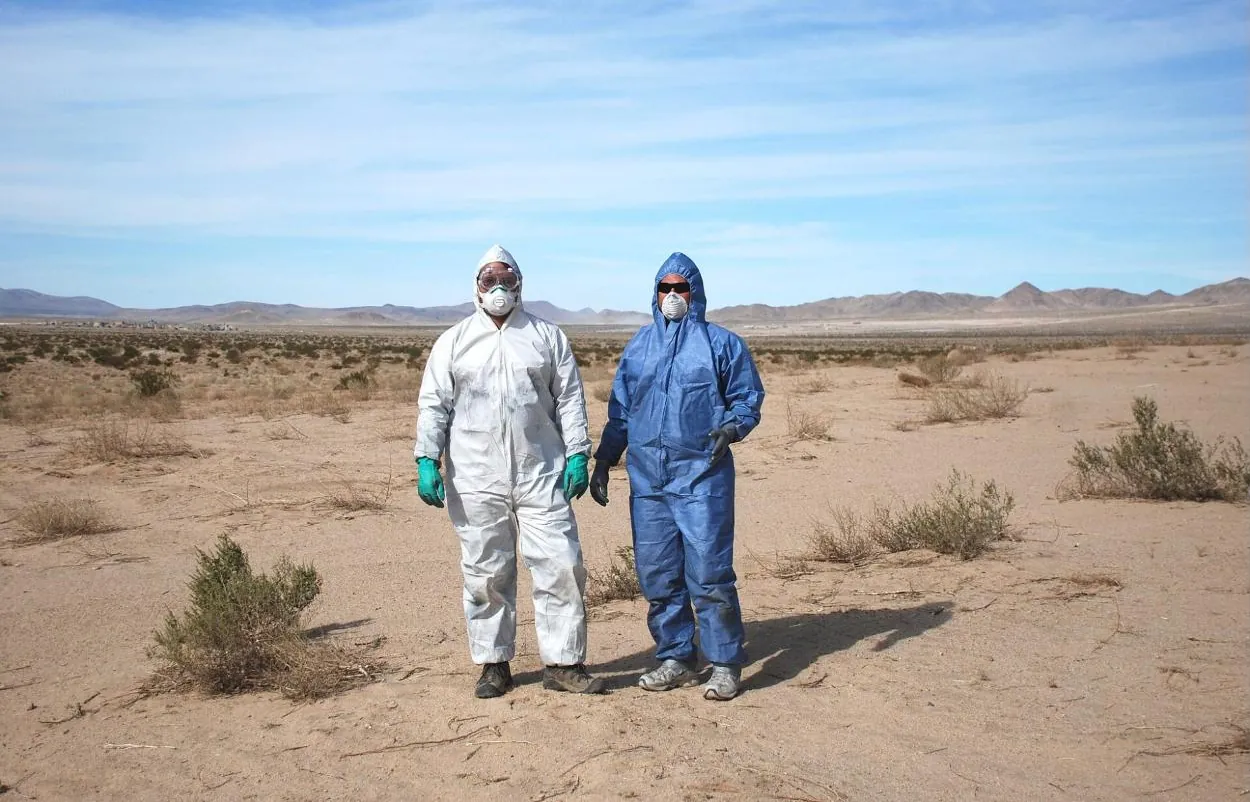
- Contain and protect The area is closed off and our team wears protective equipment; blood is handled as potentially infectious under OSHA's Bloodborne Pathogens Standard.
- Remove, clean, disinfect Biological material and affected items come out first, followed by cleaning, residue removal and disinfection.
- Review together We go through the finished space with you and identify any repairs that need a contractor.
Victim compensation and insurance
Tennessee's Criminal Injuries Compensation program says it may pay up to $3,000 for cleaning a crime scene when the crime took place in the victim's home or an eligible relative's home; it doesn't pay for repairs or replacement. The program is a payer of last resort and has reporting and filing deadlines. A victim advocate with the police department or district attorney's office can help you apply.
Homeowner or landlord insurance may also apply, depending on the policy. We can give you a written scope and description of the work to share with an insurer or the program. Our insurance page covers questions to ask your agent.
Support beyond the cleanup
Grief after a homicide is complicated and can last a long time. Victim advocates can connect families with counseling and support groups for people who've lost someone to violence. If you or someone you know is struggling, call or text 988 (Suicide & Crisis Lifeline).
For more about the full range of crime scene work, see our crime scene cleanup overview.