Air first, surfaces second
Tuberculosis is caused by Mycobacterium tuberculosis and is spread mainly through the air when a person with active TB disease coughs or speaks. That makes it different from most illnesses on this site. Surface disinfection plays a supporting role, and spraying a room does not address the main route of spread.
When TB is diagnosed, the local or state health department typically guides contact investigation and any steps for the home or workplace. We take our direction from that guidance and from the property owner, and we do not substitute our judgment for public health advice.
What surface work looks like
EPA's List B identifies registered products with claims against Mycobacterium tuberculosis, commonly called tuberculocidal products. When a cleaning is requested, we use a List B product and keep surfaces wet for the full contact time on its label.
Work typically includes the room where the person stayed, shared bathrooms and high-touch surfaces. Bedding and washable fabrics can be laundered according to care labels.
Because the main concern is airborne, we avoid dry sweeping, shaking linens or using blowers in the affected rooms. Wet wiping and careful bagging keep the work calm and contained, and we leave HVAC equipment closed for the contractor who services it.
- Nightstands, bed frames and headboards
- Bathroom fixtures and counters
- Door handles, switches and shared remotes
- Shared kitchen and dining surfaces
- Accessible HVAC grilles and return covers, wiped down but not opened
Protection for our team
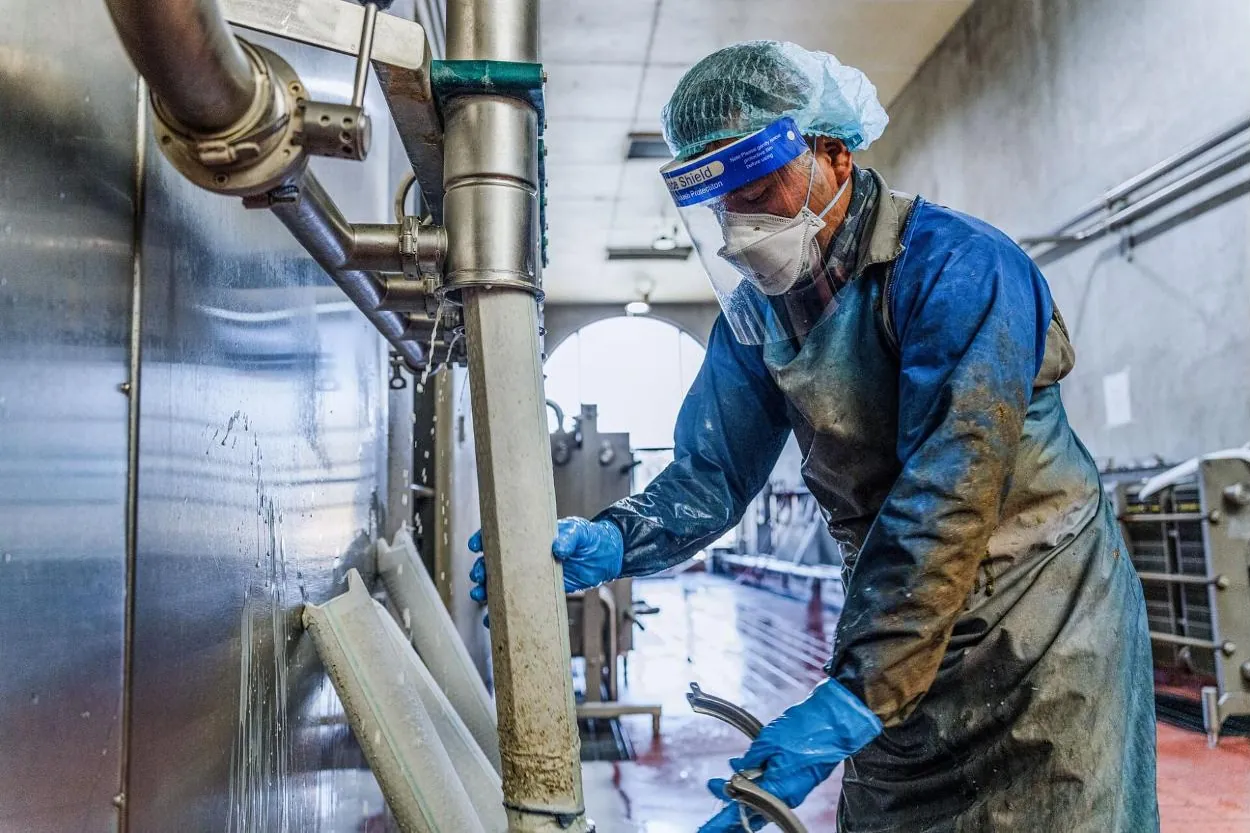
Where respirators are needed, OSHA's respiratory protection standard requires a written program, medical evaluation and fit testing for tight-fitting respirators. We plan protective equipment around the guidance for the specific situation and the stage of the response.
Typical settings
Calls usually come from landlords preparing an apartment or rental unit for a new tenant, shelters and group homes, offices where an employee was diagnosed, care facilities and correctional settings. Each has different decision-makers, and we confirm who is authorizing the work before we schedule it. Afterward, the owner receives a written note of the surfaces treated and the List B product used.
Families sometimes call simply wanting reassurance after a relative's diagnosis. In those cases we encourage them to speak with the health department first, since the most useful steps may have nothing to do with surfaces.
Coordinating with owners and occupants
TB cases often involve several parties: the person who was diagnosed, their household, a landlord or employer, and the health department. Before we schedule, we confirm who owns or manages the space, who is authorizing the work and whether anyone is still living there.
If the person remains at home under treatment, we keep the visit short, respect their privacy and work only in the areas the owner and occupant agree on. If the unit is vacant and being prepared for someone new, we can be more thorough and include closets, cabinets and other surfaces that are hard to reach when a home is occupied.
We never share details of a client's health with neighbors, other tenants or anyone not involved in authorizing the work.
Referrals and related work
HVAC duct cleaning, filter system upgrades and ventilation changes belong to a licensed HVAC contractor. Medical testing, treatment and decisions about returning to work or school belong to healthcare providers and the health department.
For broader context, see infectious disease decontamination. Facilities with recurring needs may also find our correctional facility service useful. We serve all of Middle Tennessee.