A stomach virus that moves fast
Norovirus is a common cause of vomiting and diarrhea, and a single episode in a classroom, dining room or bus can affect many people. The cleanup is less about scrubbing harder and more about removing material carefully and then using a product proven against the virus.
EPA's List G identifies registered disinfectants with claims against norovirus. CDC's norovirus guidance also describes a chlorine bleach solution of 1,000 to 5,000 ppm, roughly 5 to 25 tablespoons of household bleach per gallon of water, left on the surface for at least 5 minutes, as an alternative where bleach is appropriate.
Our response, step by step
Timing matters with this virus, so we keep the sequence simple and consistent.
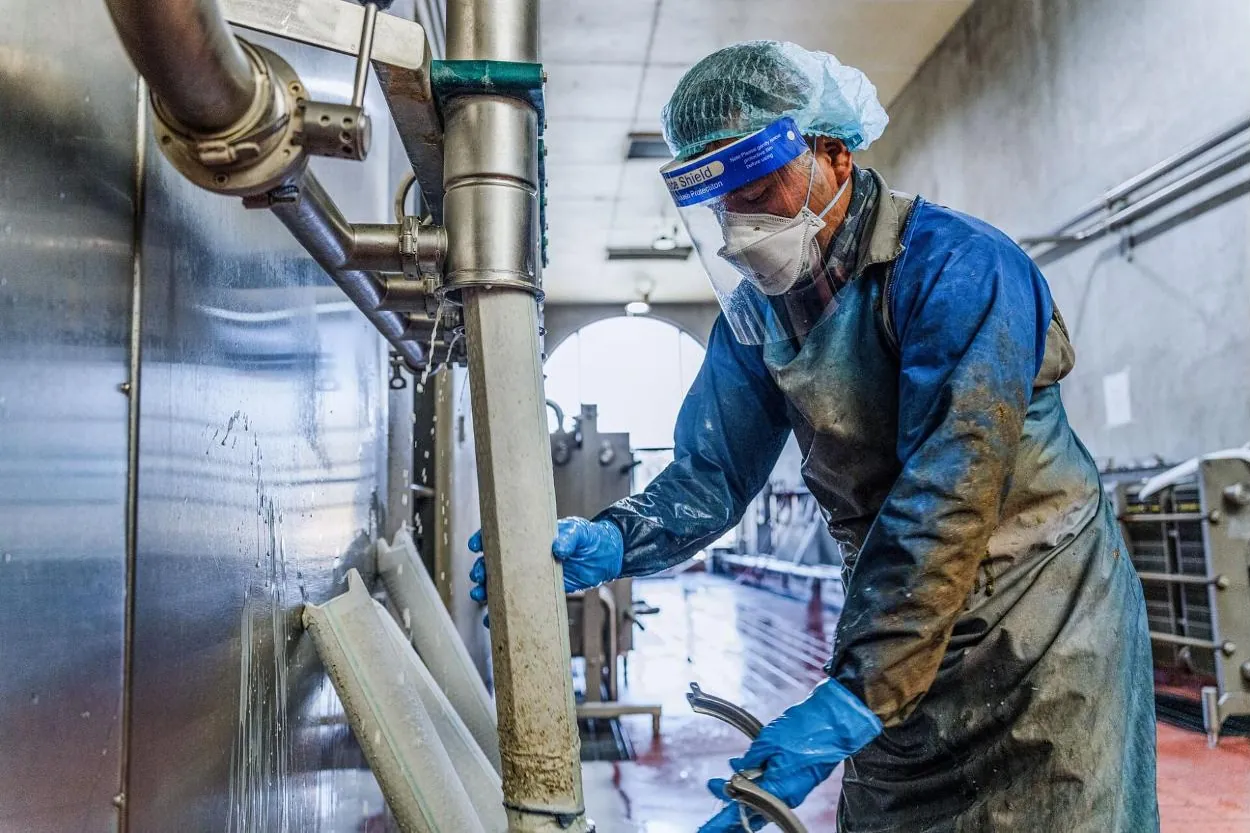
- Separate the area We keep people out of the affected zone and wear gloves, gowns and other protective equipment.
- Remove material Vomit and stool are absorbed and lifted with disposable materials, then bagged for disposal.
- Clean The surface and its surroundings are cleaned, because splashes travel farther than they appear to.
- Disinfect We apply a List G product, or bleach at CDC's described strength where the surface tolerates it, and hold the label contact time.
- Treat fabrics Carpet, upholstery and linens are cleaned, laundered hot per care labels, or removed with your approval.
- Document Facilities receive a written record of areas treated and products used, which can help with internal reports.
Common settings
We are called to homes, classrooms and cafeterias, restaurants and bar restrooms, hotel rooms, senior living communities, daycares, rental properties, cars and school or tour buses. Restaurants and schools often prefer overnight work so they can open on schedule.
Food-contact surfaces deserve special care. Some disinfectants require a rinse with potable water afterward, and we follow those label directions in kitchens and break rooms.
Why porous items need a decision
Norovirus contamination on carpet, upholstered chairs, mattresses and stuffed toys is harder to manage than on tile or laminate. Many disinfectants are labeled only for hard, nonporous surfaces, so a product that works well on a counter may not be approved for a sofa.
For those items, the choices are usually steam or hot-water extraction, a disinfectant whose label specifically allows soft-surface use, laundering on a hot cycle per the care label, or removal. We walk you through which applies to each item, what each option costs and what you would lose.
In schools and care homes, staff often decide to discard heavily soiled small items, such as nap mats or cushions, rather than risk incomplete treatment. That is your call, and we respect it either way.
Until we get there
These steps can limit spread while you wait.
- Keep children, guests and pets away from the area
- Do not vacuum vomit or diarrhea, which can spread material
- If you must cover a spill, use paper towels or disposable absorbent and leave it in place
- Wash your hands with soap and water after any contact
- Bag soiled clothing and wash it on a hot cycle per its care label
Outside our role during an outbreak
We do not diagnose illness, investigate the source of an outbreak or tell a school or restaurant when to reopen. Health departments lead outbreak investigations, and a facility's own policies govern exclusion and return.
For a single episode rather than a spreading illness, our vomit cleanup service may be the better fit. Restaurants can also see our restaurant and bar cleanup page. We serve Nashville and the rest of Middle Tennessee.