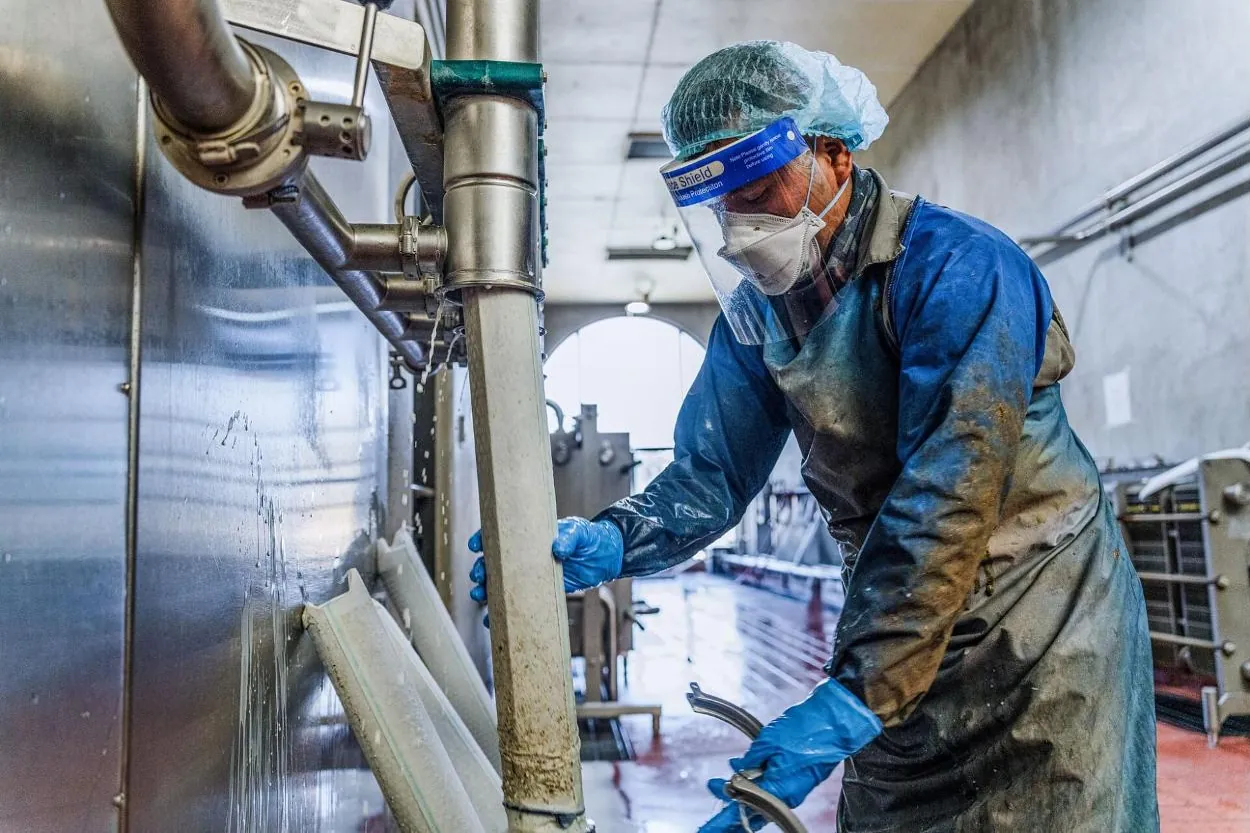
An honest look at fogging
Fogging became widely marketed in recent years, often with promises that a single treatment would disinfect an entire building. The reality is more limited. A mist settles unevenly, it does not remove dirt, and many disinfectants are not labeled for fogging at all.
We use fogging only with EPA-registered products whose labels specifically permit that application method, and only as a supplement to cleaning and direct treatment of high-touch surfaces. EPA stresses that surfaces must remain visibly wet for the product's full contact time and that users must read and follow the label.
When fogging may be worth considering
For most offices, classrooms and restrooms, cleaning plus direct application or electrostatic spraying is usually more dependable.
- Warehouses, storage rooms and large open areas
- Basements, garages and crawlspaces after other cleanup is complete
- Trailers and cargo areas
- Spaces with many hard-to-reach surfaces after a cleanout
- Vehicle interiors, where the product label allows that use
Limitations to weigh
- Fogging does not clean; soil and organic matter must be removed first.
- Coverage is uneven, and surfaces may not stay wet long enough.
- Some products leave residue that has to be wiped or rinsed.
- The space must be empty during treatment, and re-entry follows the label.
- Electronics, food and some finishes need protection or removal.
How we carry it out
- Assess We confirm what is being treated and whether fogging is a sensible choice compared with other methods.
- Prepare Food, personal items and sensitive equipment are removed or covered. Everyone, including pets, leaves the area.
- Clean Surfaces are cleaned before any disinfectant is applied.
- Fog We apply a label-permitted product using the equipment and settings the label describes.
- Re-entry The space stays closed until the label's re-entry conditions are met, then it is ventilated.
- Wrap up We record the product and areas treated, and note any surfaces that need a follow-up wipe.
Fogging is not deodorization
Disinfectant fogging and odor fogging are different processes with different products. If a space has a lingering odor after a cleanout or a death, the source has to be removed first; see our odor removal page. We do not rely on ozone or hydroxyl equipment for disinfection.
Getting ready for your appointment
Plan for the treated area to be empty for the full treatment and re-entry period, and let staff or family know in advance. Remove or seal food, dishes, medications and pet bowls. Turn off and cover electronics where you can, and tell us about smoke detectors or fire alarm systems that a mist could trigger so arrangements can be made with your building or alarm company.
If the space has visible soil, fluids or debris, that will be cleaned up first. Fogging over contamination does not make it safe, and residue left under the mist can shield microorganisms from the product.
What we will not claim
We will not tell you a fogged space is free of every microorganism or protected going forward. Disinfection affects the surfaces treated at the time of treatment, and only to the extent the product label supports.
Safety notes
Fogging places fine droplets in the air, which is why labels set protective equipment requirements for applicators and keep everyone else out. If anyone in the building has asthma or chemical sensitivities, let us know so we can plan the timing and ventilation with that in mind. We work in homes, rental units and commercial properties throughout Middle Tennessee.