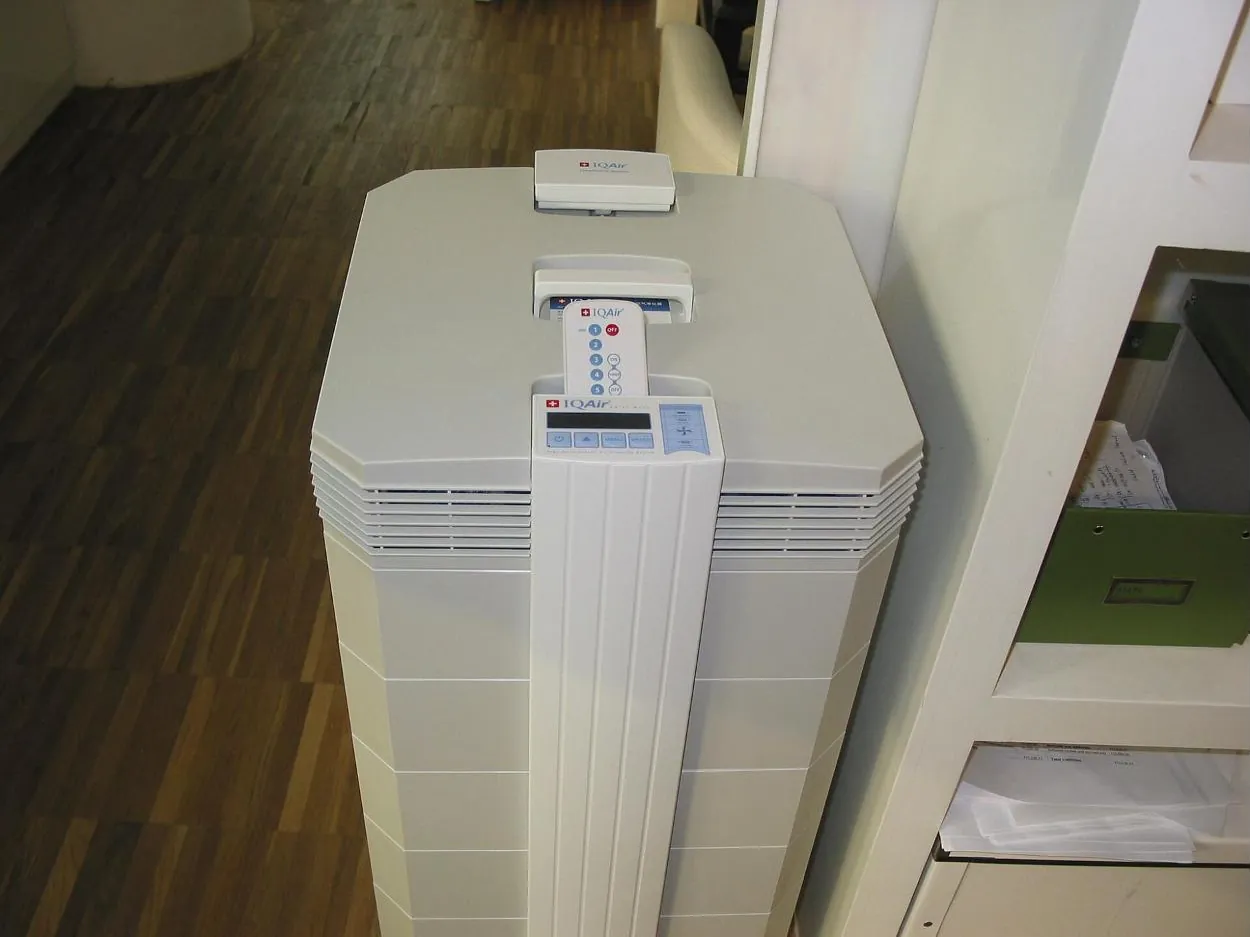
What this equipment is, and what it is not
Ozone generators and hydroxyl generators are machines sold for odor control. They are often marketed as a quick fix, sometimes with claims that they purify air or kill germs. We do not make those claims.
We use this equipment only for deodorization, and only after the materials causing the odor have been removed and the area has been cleaned. Neither type of machine is a disinfectant in our work. When surfaces need disinfecting, we use EPA-registered disinfectants applied according to label directions.
What EPA says about ozone
EPA's guidance on ozone generators is direct. It states that ozone may mask odors but that there is little scientific support for claims that it removes them. It notes that ozone can damage the lungs and worsen asthma, that no federal agency has approved ozone generators for use in occupied spaces, and that at concentrations within health standards ozone has little ability to remove indoor contaminants.
EPA also says ozone can react with chemicals already in a room to form irritants such as aldehydes, and that it can damage rubber, fabrics, plants and artwork. When high concentrations are used in unoccupied spaces, conditions must ensure no person or pet is exposed.
About hydroxyl generators
Hydroxyl generators are a different type of deodorization equipment. We found no federal approval for them and no authoritative source showing that they disinfect, so we do not describe them as disinfecting, as EPA approved, or as safe for occupied spaces. EPA's consumer guide to air cleaners does not address hydroxyl units, and it cautions that some electronic air cleaners can emit ozone.
When we use a hydroxyl unit, we follow the manufacturer's instructions, including on occupancy, and we will tell you in advance whether the space needs to be vacated.
When deodorization may help
In each case the equipment addresses what is left in the air and on surfaces after the main work. The settings vary: apartments, hotel rooms, offices, crawlspaces, storage units, boats and RVs, with ozone only where the space can stay empty. If odor returns once the machine is off, that usually means some source material is still present.
- Residual odor after decomposition cleanup and subfloor sealing
- Lingering smoke odor once residue has been washed off
- Odor after a sewage cleanup, once materials are removed and surfaces are dried
- Musty or stale odor after a hoarding cleanout
- Vehicles after interior cleaning and removal of saturated materials
How a treatment is planned
- Confirm the source is gone We check that contaminated materials have been removed and the area cleaned. If not, that comes first.
- Choose a method We decide whether deodorization is worthwhile and which equipment suits the space and its use.
- Prepare the space For ozone, everyone leaves, pets are relocated and plants are removed. Sensitive items such as artwork, rubber goods and some fabrics may be moved out.
- Run and ventilate The equipment runs for a planned period, followed by ventilation before anyone goes back in.
- Review the result We check the space with you and talk about any odor that remains.
What to know before you book
EPA's general advice is that controlling pollutant sources and ventilating are the most effective ways to improve indoor air. Please do not rent or run an ozone machine yourself in an occupied home. If you have asthma or another lung condition, mention it so we can plan re-entry with that in mind.
If odor has entered ductwork, an HVAC contractor should clean the system. For the full process, see odor removal and decomposition odor removal. We serve homes, rentals, vehicles and businesses across all 41 counties of Middle Tennessee.