Why this odor lingers
When a person or animal dies and is not found right away, fluids released during decomposition can move through carpet and pad into the subfloor, and sometimes into joists or the crawlspace below. The odor comes from that material. It can also settle into soft furnishings, mattresses and clothing in the same room.
Because the source is often below the surface, the smell can persist even after visible cleanup, and it may grow stronger on warm or humid days. Families sometimes try sprays or candles at first; these do not reach the source and usually only add another scent.
Before we start
Our work begins only after the medical examiner's investigators and the funeral home have removed the person who died and authorities have released the property. We never handle human remains.
Until we arrive, it is reasonable to keep the door to the affected room closed and open a window if you can do so without entering the area. Please do not pull up carpet, scrub stains or run an ozone machine yourself. If there are personal items you want saved, let us know; we can set aside photos, documents and keepsakes when it is safe to do so.
What the work involves
- Assess the spread We look at flooring, baseboards, nearby walls and, where accessible, the subfloor and crawlspace to see how far fluids traveled.
- Remove affected materials Saturated carpet, pad, mattresses and other porous items that cannot be reliably cleaned are removed and packaged for disposal.
- Clean and disinfect the structure Exposed subfloor, joists and hard surfaces are cleaned and then disinfected with EPA-registered products used per label.
- Seal porous wood Where wood absorbed fluids but remains sound, we apply an odor-blocking sealer before new flooring goes down.
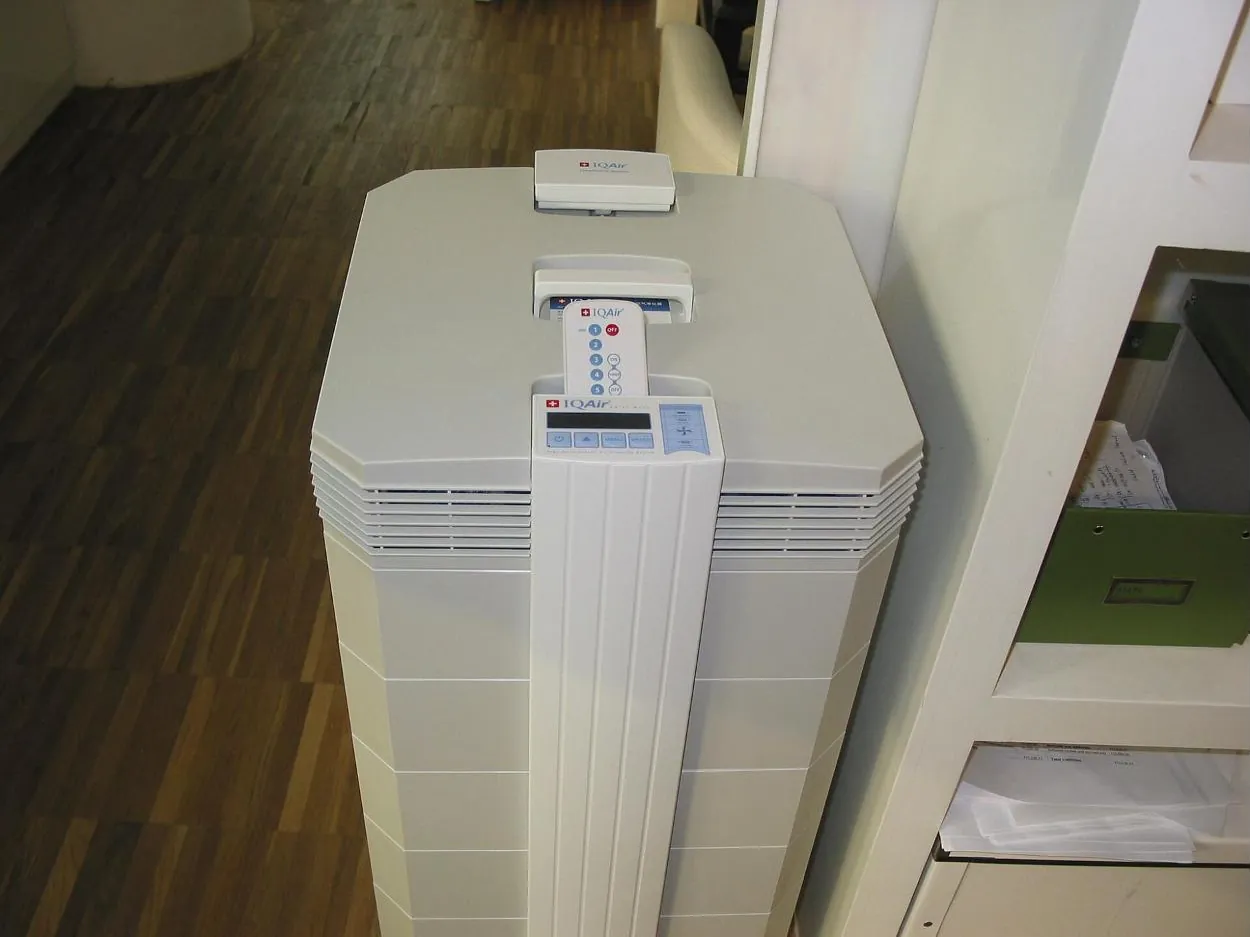
- Deodorize if needed If odor remains once the source is gone, we may use deodorization equipment, with ozone only in an unoccupied space. We then check the space with you and say plainly whether any odor remains.
Materials decomposition odor clings to
- Carpet, its pad and the tack strip along the walls
- Wood subfloor and, in some homes, joists or crawlspace soil
- Vinyl, laminate and tile, including the seams and underlayment
- Baseboards and the lower portion of drywall
- Mattresses, upholstered chairs and bedding
- Vehicle seats, carpet and headliners after a death in a car
Health considerations
Body fluids at a death scene are handled as potentially infectious material, and OSHA's Bloodborne Pathogens Standard governs worker protections for that exposure. WHO notes that people who handle bodies can be exposed to bloodborne viruses and other infections, which is why we use protective equipment and containment throughout.
On deodorizing equipment, EPA states that ozone may mask odors but that there is little scientific support for claims that it removes them, and that ozone can harm the lungs. That is why removal comes first and ozone, if used at all, is reserved for empty spaces.
When we bring in other trades
Once we remove damaged subfloor or drywall, rebuilding is work for a general contractor. If odor has moved into ductwork, we recommend an HVAC contractor for duct cleaning. We will point these out during the job so you can plan.
Insurance may help with some of the cost, depending on the policy and how the loss is classified; see our insurance overview. Many families also need unattended death cleanup or subfloor and structural remediation alongside odor work. Our team works in homes, rentals and businesses across all 41 counties of Middle Tennessee.