Where we get called
Human waste is one of the most common requests we receive and one of the least talked about. For businesses and property managers, it usually shows up in shared or semi-public spaces. For families, it's more often tied to illness, a person who needed more care than they were getting, or a home or rental that was left in poor condition.
- Customer and public restrooms, including smearing on walls and stalls
- Stairwells, elevator lobbies and parking garages
- Alleys, loading docks, dumpster areas, store entrances and restaurant patios
- Rental units after a move-out or eviction
- Homes where a loved one has been ill or unable to manage on their own
- Mattresses, furniture and vehicles
Why this needs more than a quick hose-down
Human waste can carry germs that cause illness, including stomach illness, and it's often mixed with urine, blood or vomit. Hosing an area down or pressure-washing it before the solids are removed can spread material across a larger area and into drains and joints. Sweeping dried waste can scatter it.
We remove the bulk material first, then clean, then disinfect, which is the order CDC recommends for organic contamination generally. Disinfectants are EPA-registered and used according to their labels, including the contact time each label requires.
Our process for human waste
- Close off the area We block access to the affected restroom, stairwell or room so customers, residents or staff aren't walking through it.
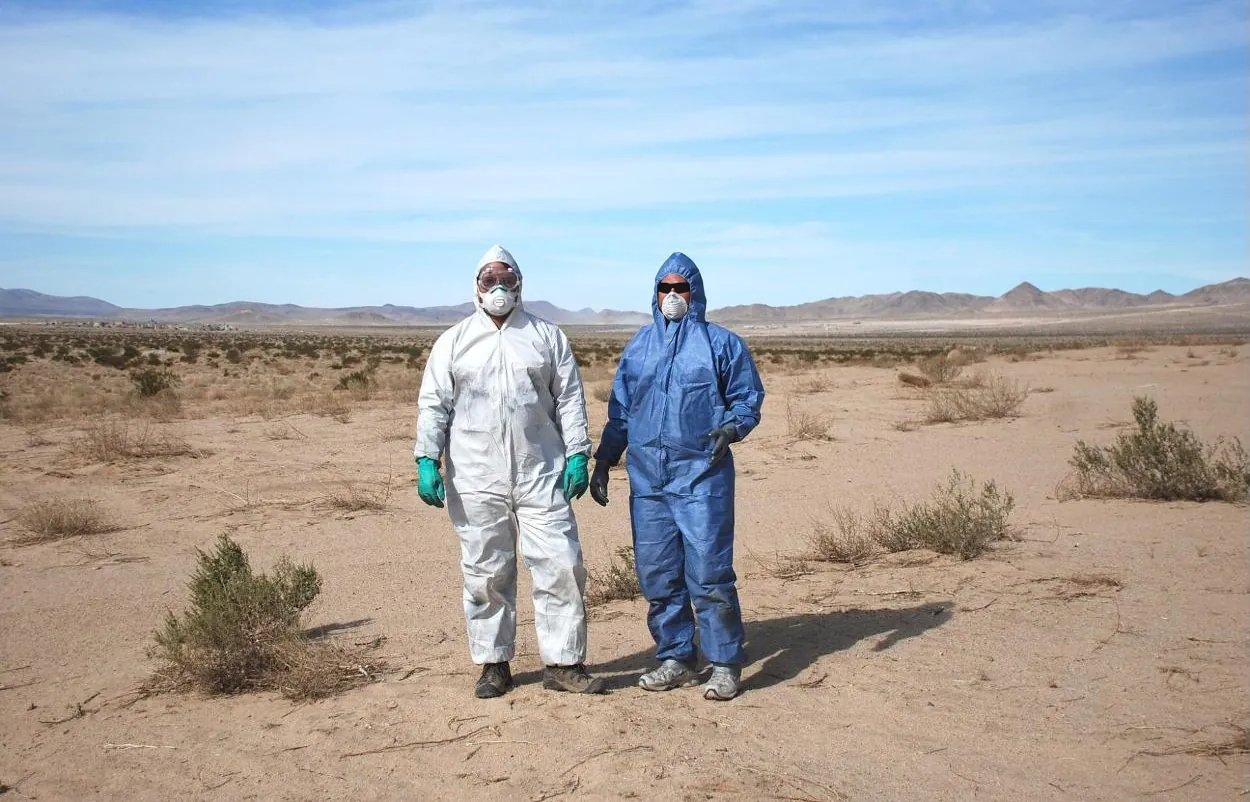
- Protect our team Technicians wear protective equipment suited to the amount and location of the waste.
- Remove solids and soaked items Waste and contaminated debris are taken up and bagged. Porous materials that have absorbed waste, such as ceiling tiles, carpet or cardboard, are removed.
- Clean every contact surface Walls, partitions, fixtures, rails, door handles and floors are cleaned to take off residue.
- Disinfect Cleaned surfaces are treated with an EPA-registered disinfectant appropriate to the setting and left wet for the label's full contact time.
- Address odor and dispose Once the source is gone, we handle remaining odor and dispose of the bagged materials appropriately.
For businesses and property managers
If this is a repeat problem at your property, tell us. We can schedule cleanups around opening hours and talk with you about which areas see the most incidents. We don't do security or enforcement, but a clear picture of where waste keeps appearing can help you decide on lighting, access control or restroom policies with the right people.
Where human waste is found near an encampment or in a vacant building, there may also be needles or drug paraphernalia. Our encampment cleanup and needle cleanup services handle those situations with authorization from the owner or responsible agency.
Until we arrive
- Keep the area closed and post a simple sign if it's a public space
- Don't pressure-wash or hose the area
- Don't sweep or vacuum dried material
- If someone has to touch anything, use disposable gloves and wash hands with soap and water afterward
What belongs to someone else
A backed-up toilet or sewer line is a plumbing problem, and raw sewage coming from a drain is handled through our separate sewage service. Repairs to damaged partitions, drywall or flooring go to a contractor. If the waste is part of a larger hoarding or gross filth situation, the scope changes, and we'll talk through that with you.