Coming home after the emergency
Paramedics are there to care for the patient, and they do that well. They aren't there to clean. When the emergency is over, what's left can include blood on the floor and bedding, fluids on furniture, used gloves, wrappers, gauze, tubing and sometimes needles.
Many of the people who call us are spouses or adult children who have spent the night at a hospital and don't want to walk back into that room. Some are caregivers who need a home, a rented apartment or a senior-living room ready before a loved one is discharged, or a car cleaned after the drive to the hospital. Whatever the case, you don't have to handle it yourself.
Situations we clean up after
- Falls with head or facial injuries, which often bleed heavily
- Nosebleeds, hemorrhages and internal bleeding that came on suddenly
- Seizures, strokes and cardiac events where fluids were released
- Home dialysis, wound care or ostomy problems
- Unexpected childbirth at home
- Emergencies in offices, stores, gyms and other public spaces
What the cleanup involves
Medical emergencies tend to spread across more than one room. The patient may have been in a bathroom, moved to a hallway and then treated in the living room. We follow that path rather than cleaning only the spot where they were found.
- Clear the EMS debris Gloves, packaging and used supplies are collected and bagged. Any needles or other sharps go straight into a puncture-resistant sharps container.
- Lift blood and fluids Visible material comes up with absorbent products before cleaning begins.
- Check the whole path We look at floors, door frames, light switches, handrails, bathroom fixtures and furniture along the route the patient and responders took.
- Remove soaked items Mattresses, bedding, rugs or cushions that have absorbed fluid are bagged for disposal after we've gone over them with you.
- Clean and disinfect Surfaces are cleaned and then disinfected with EPA-registered products used per label.
- Put the room back Furniture we moved goes back in place, and we let you know about anything that will need repair or replacement.
Safety notes for families
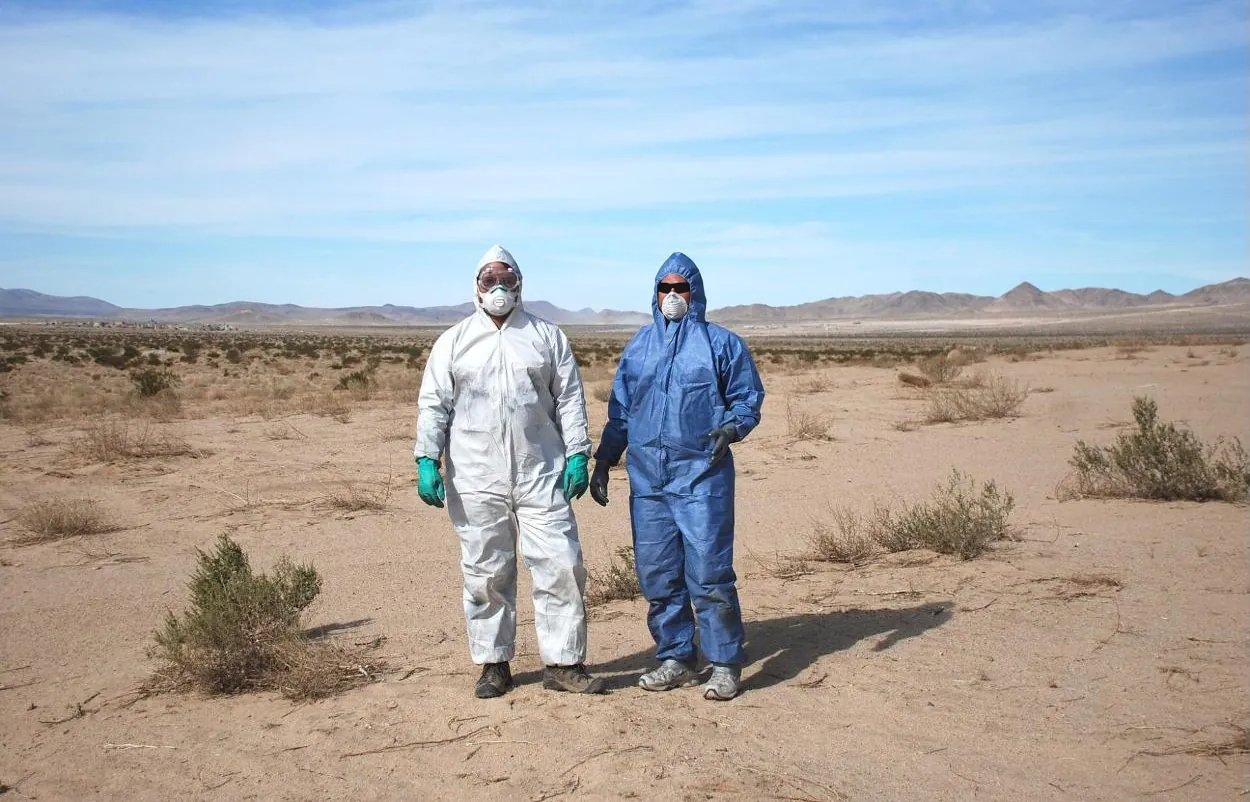
Blood and many other body fluids are handled as potentially infectious material under OSHA's Bloodborne Pathogens Standard, which is why our team works in protective equipment. If you've already started cleaning, that's understandable; just wear disposable gloves, avoid touching your face and wash your hands with soap and water afterward.
Be especially careful around needles, lancets and IV supplies. FDA advises placing used sharps in a proper sharps container right away rather than in household trash. If anyone in your household is stuck by a used needle, contact a healthcare provider promptly; that's a medical question, not a cleaning one.
Emergencies outside the home
Medical emergencies happen in offices, retail stores, churches, gyms and parking lots as well. A business usually wants the area cleaned and reopened without staff having to deal with blood or fluids themselves. We can work after hours or section off the space so the rest of the building stays open, and we'll explain exactly which areas were cleaned so managers can answer questions from employees or customers.
Hand-offs and limits
We don't provide medical care, and we don't haul regulated medical waste; that goes to a regulated medical waste company. If the emergency became a death in the home, the medical examiner and funeral home handle the person who died, and our natural death cleanup page explains what happens afterward. If the emergency was an injury at work, see workplace injury cleanup.
Some homeowner policies may cover part of this kind of cleanup, depending on the policy. It's worth asking your insurer before assuming either way.