After a planned goodbye
Choosing hospice at home means a family has spent a long stretch caring for someone they love, often around the clock. When the death comes, it is expected, but the exhaustion is real. The care room may hold a hospital bed, a bedside commode, stacks of wound-care supplies, used sharps and bedding that needs more than a wash.
Hospice nurses and aides do a great deal, but cleaning and clearing the room afterward usually falls to the family. That's the part we can take off your plate, whether the care room is in a house, a rental or an apartment in a senior or assisted living community.
What's usually left in the room
- Hospital bed, rails and pressure mattress or pads
- Bedside commode, shower chair, walker or wheelchair
- Soiled sheets, blankets, underpads and clothing
- Lancets, insulin needles, syringes and IV supplies
- Wound dressings, ostomy supplies, catheters and tubing
- Odor in carpet, furniture or the room's soft surfaces
Taking care of the equipment and supplies
Most hospice equipment is rented through the hospice agency or a medical supplier, and they typically pick it up and process it themselves. We can clean and disinfect bed frames, rails, commodes, wheelchairs and walkers before they're collected if that helps, and we clean any equipment the family owns.
Used sharps are a particular concern. FDA advises putting used needles and other sharps into a sharps container right away and disposing of full containers through local programs, never loose in household trash or recycling. We collect sharps into puncture-resistant containers and dispose of them appropriately.
Leftover prescription medications are a separate matter. Ask the hospice nurse or your pharmacist how they should be disposed of; we don't take or dispose of medications.
Our care-room cleanup
- Talk with you first When you call, and again when we arrive, we go over what's in the room, what belongs to the hospice or supplier, and anything you want saved or set aside.
- Clear supplies and sharps Medical supplies are sorted and bagged, and sharps go into proper containers.
- Remove soiled items Bedding, pads and any mattress or furniture that absorbed fluids are wrapped and taken out with your agreement.
- Clean and disinfect Equipment, floors, walls, bathroom fixtures and high-touch surfaces are cleaned and then disinfected with EPA-registered products used per label.
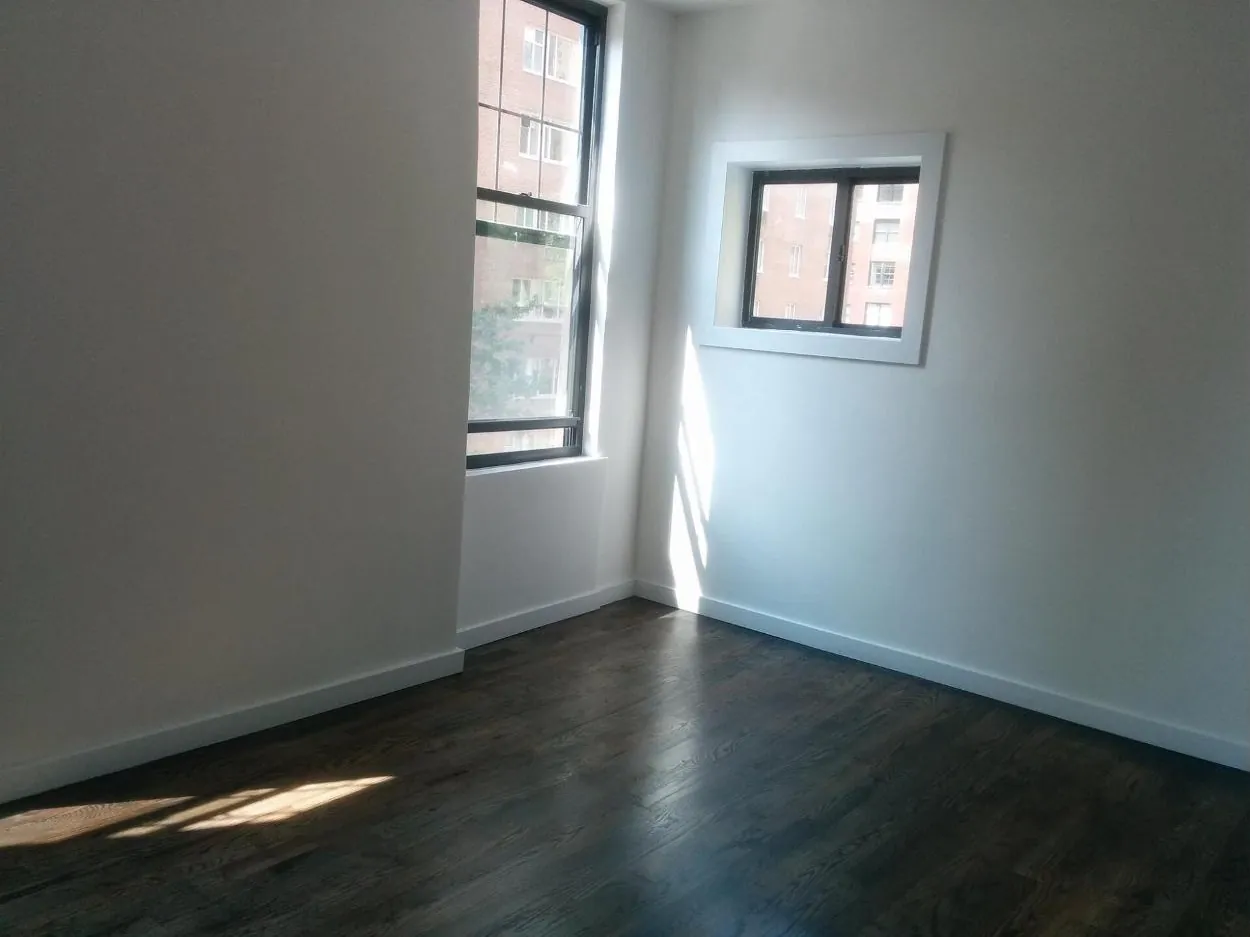
- Restore the room Lingering odor is addressed at its source, and the room is left ready for whatever the family decides to do next.
Caring for the caregivers
Family caregivers often put their own needs last for months. When the person they cared for dies, the room where it happened can be hard to walk into, and the work of sorting supplies and stripping a bed can feel like one more burden. Letting someone else do it isn't giving up a duty; it's making room to grieve.
If you'd like to keep a few things from the room, such as a blanket, a favorite pillow or a book from the nightstand, tell us before we start. We'll set them aside and clean them where we can, and we'll be honest if something is too soiled to save. Many hospice programs offer bereavement support to families after a death, and it's worth asking your team what's available.
For hospice and home health teams
Hospice social workers, chaplains and nurses are often the first people a family asks about cleanup. If that's you, you're welcome to share our number. We'll talk with the family directly, explain scope before any work starts, and stay out of the way of the care team's own closing visit.
Limits worth knowing
We don't remove or transport the person who died; the funeral home handles that, and in some cases the county medical examiner is involved. We also don't haul regulated medical waste from healthcare facilities; that goes to a regulated medical waste company. If the death happened somewhere other than a private home, our natural death cleanup and healthcare facility cleanup pages may be more relevant.